
300W Pulse Laser Cleaning Machine for Rust, Paint and Coating Removal

Hi! I am Dawn. With 10 years of field experience, I specialize in laser cleaning systems—from optical sourcing to automation. I write here to turn complex specs into actionable buying guides.
Table of Contents
Need a portable laser cleaner for rust, paint, oil or coating removal? Our 300W pulse laser cleaning machine is built for workshops, factories, repair teams, mold maintenance, automotive restoration and mobile cleaning services that need precise, non-contact surface cleaning without sandblasting media or chemical stripping.
A 300W pulsed laser cleaner is a strong choice when you need more cleaning power than 100W or 200W systems, but still want portability, controlled heat input and better protection for the base material. It is especially suitable for light to medium rust, thin paint, oxide layers, grease, mold residue, welding discoloration and local surface preparation.
Send us your material, photos or video. We will help you confirm whether 300W is enough for your job and recommend the right configuration.
Quick Answer: Is 300W Enough for Laser Cleaning?
Yes, a 300W pulse laser cleaning machine is enough for many light to medium cleaning jobs, including rust removal, thin paint stripping, oxide cleaning, oil removal, mold cleaning and weld discoloration removal.
It is not always the best choice for thick industrial coatings, heavy rust over large areas, ship hull cleaning or high-speed production lines. For those applications, a 500W pulse laser cleaner, 1000W+ pulse system or high-power continuous laser cleaner may be more efficient.
300W Is Recommended For | Choose Higher Power For |
Light to medium rust | Heavy rust over large areas |
Thin paint removal | Thick industrial coatings |
Oil, grease and oxide cleaning | High-speed production lines |
Mold residue cleaning | Large steel structures |
Weld discoloration removal | Ship hull or container cleaning |
Automotive and workshop use | Heavy-duty factory cleaning |
What Is a 300W Pulse Laser Cleaning Machine?
A 300W pulse laser cleaning machine uses short laser pulses to remove unwanted surface layers from metal and other materials. The laser energy targets rust, paint, oil, oxide, coating residue or carbon deposits on the surface.
Because the process is non-contact, the machine does not grind the workpiece like mechanical tools and does not require sand, water or chemical cleaning agents. With the right settings, pulsed laser cleaning can remove contamination while reducing damage to the base material.
In simple terms, a 300W pulsed laser cleaner is designed for users who need a controlled, portable and cleaner alternative to sanding, grinding, chemical stripping or abrasive blasting.

300W Pulse Laser Cleaning Machine Specifications
The final configuration depends on your application. For best results, do not compare only the 300W power rating. Pulse energy, scan width, laser source, cleaning head design and cooling system also affect performance.
Why Pulse Energy Matters
Specification | Configuration |
Product Name | 300W Pulse Laser Cleaning Machine |
Laser Type | Pulsed fiber laser |
Laser Power | 300W |
Wavelength | 1064 nm, if applicable |
Pulse Energy | 1.5mJ |
Pulse Width | 1-500ns |
Frequency Range | 1-4000Khz |
Cooling Method | Air-cooled |
Scan Width | 200mm |
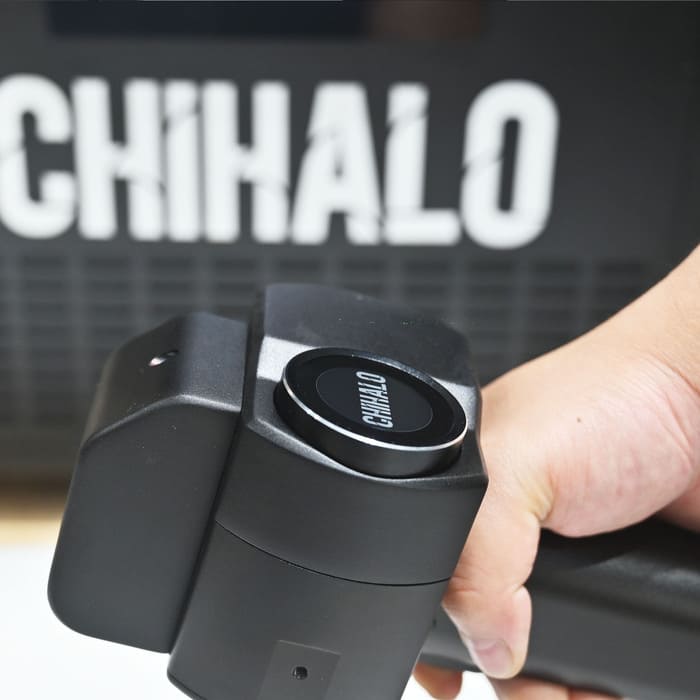
Cleaning Head Weight | 1.8KG |
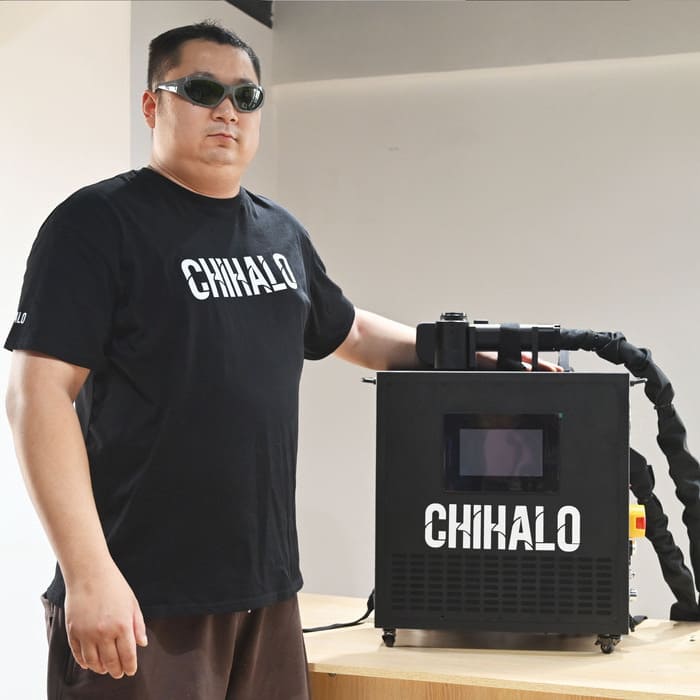
Fiber Cable Length | 5m |
Power Supply | 110V / 220V, depending on region |
Machine Weight | 50KG |
Machine Size |
|
Optional Accessories | Lens kit, fume extractor, battery module, robot interface, OEM branding |
Warranty | 2 Years |
Two machines can both be called “300W pulse laser cleaners,” but they may perform differently. Pulse energy affects how strongly each laser pulse interacts with rust, paint, coating or oxide layers.
For buyers, this means one simple thing: do not judge a laser cleaner only by wattage. Ask for real test videos, pulse energy data, scan width and cleaning results on materials similar to yours.
Why Scan Width Matters
Scan width affects how much surface the laser covers in each pass. A wider scan can improve coverage on flat surfaces, while a narrower scan may give better control on edges, corners, molds or detailed parts.
Why Cleaning Head Weight Matters
If the operator uses the machine for long periods, cleaning head weight becomes important. A lighter and ergonomic cleaning head helps reduce fatigue, improve control and make the cleaning result more consistent.
CW laser cleaners are usually more efficient for large-area cleaning. The trade-off is higher heat input, so parameter control and operator training are important.
300W Pulse Laser Cleaning Machine Price
The price of a 300W pulse laser cleaning machine depends on the laser source, pulse energy, optical system, cleaning head, cooling design, accessories, warranty, shipping and after-sales support.
Instead of choosing only by the lowest price, compare what is included in the machine package and whether the supplier can support your real application.
What Affects the Price?
Main price factors include:
- Laser source brand and quality
- Pulse energy and beam quality
- Air-cooled or water-cooled design
- Cleaning head weight and scan width
- Lens kit and protective lens supply
- Control system and preset cleaning modes
- Safety system and laser protection accessories
- Fume extractor or dust collection option
- Warranty period and spare parts availability
- Training and remote technical support
- Shipping cost, voltage requirement and destination country
- OEM or distributor customization
What Is Usually Included?
A complete package may include:
- 300W pulsed laser cleaning machine
- Handheld cleaning head
- Fiber cable
- Power cable
- Lens kit
- Protective lenses
- Laser safety glasses
- User manual
- Training video
- Remote technical support
- Warranty service
Before placing an order, confirm the final package list. Low-cost machines may not include enough lenses, safety accessories, training or after-sales support.
Get a Quote Based on Your Material
To recommend the right machine and price, we need to know:
- What material do you want to clean?
- Is it rust, paint, oil, oxide, coating or residue?
- How thick is the rust, paint or coating?
- What is the cleaning area?
- Do you need speed, precision or both?
- What country and voltage will the machine be used in?
- Will it be used in a workshop, factory or mobile service?
- Can you send photos or videos of the workpiece?
What Can a 300W Pulsed Laser Cleaner Remove?
A 300W pulsed laser cleaner is suitable for many surface cleaning jobs where precision, portability and lower substrate damage are important.
Rust Removal
A 300W pulse laser cleaning machine works well for light to medium rust on steel parts, tools, machinery components, automotive parts, frames and workshop equipment.
For thick rust on large steel structures, a higher-power laser cleaner may save time. But for repair shops, maintenance teams and restoration work, 300W is often a practical and controlled choice.
Paint Removal
The machine can remove thin paint layers and some coatings from metal surfaces. The actual speed depends on paint type, coating thickness, material, pulse energy and scan width.
For thick paint, multi-layer coatings or large-area stripping, sample testing is recommended before choosing the final power level.
Oil, Grease and Oxide Removal
A 300W pulsed laser cleaner can remove oil stains, grease, oxidation, welding scale and surface residue from metal parts. This makes it useful for metal fabrication, automotive repair, equipment maintenance and surface preparation.
Mold and Tool Cleaning
Mold cleaning is one of the strongest applications for pulsed laser cleaning. The laser removes residue without mechanical contact, helping reduce abrasive damage and downtime.
For mold factories, tire mold cleaning, rubber residue removal and precision tool maintenance, a 300W pulsed laser cleaner can be a valuable upgrade from manual cleaning methods.
Weld Discoloration and Surface Preparation
The machine can clean weld discoloration, oxide layers and local contamination before welding, coating, bonding or painting. It is useful for stainless steel, carbon steel and many fabricated metal parts.
Compatible Materials
Always test parameters before full production, especially on reflective or heat-sensitive materials.
Material | Suitability | Notes |
Carbon Steel | Excellent | Rust, paint, oil and oxide removal |
Stainless Steel | Excellent | Weld discoloration, oxide and surface cleaning |
Mold Steel | Excellent | Residue and deposit removal |
Painted Metal | Good | Paint thickness affects cleaning speed |
Aluminum | Good with correct parameters | Reflective material; sample test recommended |
Copper / Brass | Parameter-sensitive | Needs careful settings and suitable protection |
Stone | Application-specific | Useful for some stains and surface residue |
Wood | Application-specific | Paint removal may be possible, but burning risk must be controlled |
Common Applications and Buyers
Automotive Repair and Restoration
A 300W pulse laser cleaner can be used for wheels, frames, engine parts, tools, brackets and restoration projects. It helps remove rust, oxidation and paint without sandblasting media or chemical stripping.
Mold and Die Maintenance
Factories can use pulsed laser cleaning to remove rubber residue, carbon deposits, oil and release-agent buildup from mold surfaces. This helps reduce manual cleaning time and protects mold details when the right parameters are used.
Metal Fabrication and Welding Shops
For metalworking businesses, the machine can clean weld discoloration, oxide layers, rust and oil before welding, painting or coating.
Equipment Maintenance
Maintenance teams can use a portable 300W laser cleaner for machinery parts, fixtures, frames, tools and production equipment.
Mobile Cleaning Services
Air-cooled portable models are suitable for mobile rust removal, restoration work, on-site repair and service businesses that need a professional cleaning method without heavy abrasive equipment.
300W vs 200W vs 500W Pulse Laser Cleaning Machine
Choosing the right power level depends on the material, contamination thickness, cleaning area and speed requirement.
Power Level | Best For | Cleaning Speed | Portability | Typical User |
100W-200W Pulse | Light oxide, delicate parts, small areas | Low to medium | Very high | Labs, small repair shops, precision cleaning |
300W Pulse | Rust, paint, mold, coating and workshop cleaning | Medium | High | Workshops, factories, maintenance teams, mobile services |
500W Pulse | Faster rust and paint removal, larger areas | High | Medium | Industrial users and production maintenance |
1000W+ Pulse | Heavy-duty cleaning and larger surfaces | Very high | Lower | Factories, shipyards, heavy equipment maintenance |
1000W-3000W CW | Thick rust, thick paint, large steel surfaces | Very high | Lower | Large-scale industrial cleaning |
Why 300W Is a Balanced Choice
A 300W pulse laser cleaning machine gives more cleaning power than small 100W or 200W units while remaining portable enough for workshops, mobile work and maintenance jobs. It is a good middle ground for users who care about control, surface quality and flexibility.
When 500W Is the Better Choice
Choose 500W if your work involves heavier rust, thicker paint, larger parts or higher daily cleaning volume. The higher purchase cost may be justified if it saves labor time every day.
When Continuous Laser Cleaning Makes More Sense
For large-area heavy rust or thick paint removal, a high-power continuous laser cleaner may clean faster. However, continuous laser cleaning usually brings more heat input and requires more careful operation on sensitive materials.
Pulse Laser Cleaning vs Continuous Laser Cleaning
Both technologies remove surface contamination, but they are not used for the same type of job.
Technology | Best For | Advantages | Limitations |
Pulse Laser Cleaning | Precision cleaning, rust, oxide, mold, paint, sensitive surfaces | Better control, lower heat input, less substrate damage risk | Slower than high-power CW for large areas |
Continuous Laser Cleaning | Heavy rust, thick paint, large steel structures | Fast cleaning speed and high productivity | More heat input, higher risk of substrate heating |
If you need a cleaner for mold maintenance, automotive parts, workshop cleaning, weld cleaning or controlled surface preparation, 300W pulse laser cleaning is usually the safer and more flexible choice.
If your main goal is removing heavy rust or thick paint from large surfaces as fast as possible, ask us about higher-power pulse or continuous laser cleaning models.
Real Cleaning Test: What We Recommend Checking Before Purchase
Before buying a 300W laser cleaning machine, ask for a test on a material close to your real application. A good test should show more than a clean-looking surface. It should record the material, contaminant, settings and result.
Recommended Test Record
Test Item | What to Record |
Material | Carbon steel, stainless steel, aluminum, mold steel, painted metal, etc. |
Contaminant | Rust, paint, oil, oxide, coating, rubber residue, carbon deposit |
Thickness | Light, medium, heavy, or measured thickness if available |
Laser Settings | Power, pulse energy, frequency, scan width and speed |
Passes | One pass, two passes or multiple passes |
Surface Result | Cleanliness, color, visible residue, base material condition |
Evidence | Before/after photos and video |
Common Mistakes When Buying a 300W Pulse Laser Cleaner
Mistake 1: Choosing Only by Price
The cheapest machine may not include stable components, enough accessories, training, spare lenses or reliable support. For industrial users, downtime can cost more than the price difference.
Mistake 2: Comparing Only Laser Power
A 300W machine with poor beam quality, weak pulse energy or limited scan control may not perform well. Ask for test results, not only a specification sheet.
Mistake 3: Skipping Sample Testing
If your material is unusual, reflective, coated or heat-sensitive, sample testing is the safest way to confirm the result before purchase.
Mistake 4: Buying the Wrong Power Level
300W is a good choice for many cleaning jobs, but it is not the right answer for every job. Heavy rust, thick coating and large-area cleaning may require higher power.
Mistake 5: Ignoring Safety
Laser cleaning requires proper safety glasses, controlled work area, warning signs, operator training and fume control. Safety should be part of the buying decision, not an afterthought.
Safety, Training and After-Sales Support
Laser cleaning equipment should be used by trained operators with the right safety procedures.
A complete setup should include:
- Laser safety glasses
- Emergency stop
- Key switch
- Safety interlock, if available
- Warning light or warning sign
- Proper grounding
- Fume extraction or ventilation
- Operator training
- Parameter guidance
- Maintenance instructions
We provide training support, remote technical guidance and spare parts supply to help users operate the machine safely and efficiently.
If you need CE, FDA, ISO or other certification documents, please contact us and confirm the available documents for your machine model and destination market.
Why Choose Our 300W Pulse Laser Cleaning Machine?
We help customers choose a machine based on real cleaning requirements, not only product pictures.
Factory-Direct Configuration
We recommend the machine configuration according to your material, contamination type, cleaning area, working environment and budget.
Sample Testing Support
Send us photos, videos or samples. We can help test whether 300W is enough and suggest the right settings or power level.
Practical Application Advice
If 300W is not suitable, we will tell you. For thick rust, heavy coating or large-area work, a 500W or higher-power model may be a better investment.
Training and Remote Support
We provide operation guidance, cleaning parameter suggestions, troubleshooting support and maintenance advice.
Spare Parts and Accessories
Lens kits, protective lenses, safety glasses, fume extraction options and other accessories are available depending on the final configuration.
OEM and Distributor Options
For distributors, workshops and industrial buyers, OEM branding and customized configurations are available.
Request a Quote for a 300W Pulse Laser Cleaning Machine
Tell us what you need to clean, and we will recommend the right machine.
Please send:
- Material type
- Rust, paint, oil, oxide, coating or residue
- Thickness or contamination level
- Cleaning area size
- Required cleaning speed
- Country and voltage
- Photos or videos
- Budget range
- Mobile, workshop or factory use
- Any certification or shipping requirement
Get a factory quote, request a sample test, or ask our team whether 300W is right for your application.
Frequently Asked Questions About 300W Pulse Laser Cleaning Machines
A 300W pulse laser cleaning machine is a non-contact surface cleaning system that uses short laser pulses to remove rust, paint, oil, oxide, coating and residue from material surfaces. It is commonly used in workshops, factories, automotive repair, mold maintenance and industrial cleaning.
Yes. A 300W pulsed laser cleaner is suitable for light to medium rust removal on steel and metal parts. For thick rust, large surfaces or high-speed industrial cleaning, a 500W or higher-power machine may be more efficient.
Yes. It can remove thin paint layers and some coatings from metal surfaces. The cleaning speed depends on paint thickness, material type, laser settings, scan width and required final surface quality.
With correct parameters, pulsed laser cleaning can reduce substrate damage compared with abrasive methods. However, every material responds differently. Sample testing is recommended, especially for aluminum, copper, thin metal, coated parts and heat-sensitive surfaces.
It can clean carbon steel, stainless steel, mold steel, painted metal, some aluminum surfaces, some copper or brass parts, stone and certain wood applications. Reflective or heat-sensitive materials should be tested before full cleaning.
Pulse laser cleaning uses short pulses and is better for precision cleaning, lower heat input and better control. Continuous laser cleaning is usually faster for heavy rust, thick paint and large surfaces, but it brings more heat into the workpiece.
Choose 300W if you need portability, precision and light to medium cleaning. Choose 500W if you need faster cleaning on larger areas, heavier rust or thicker coatings.
Air cooling is commonly used for portable 300W pulsed laser cleaners. It makes the machine easier to move and maintain. For long working hours or hot environments, confirm the duty cycle and cooling design before purchase.
Laser cleaning does not need sand, abrasive media or chemical cleaning agents. However, protective lenses, safety glasses and fume extractor filters may need maintenance or replacement.
Laser cleaning is safe only when proper safety procedures are followed. Operators need laser safety glasses, training, controlled work areas, warning signs and fume extraction when required.
It may clean some aluminum, copper and brass surfaces with the right parameters and suitable configuration. Because these materials are reflective and parameter-sensitive, testing is strongly recommended before purchase.
A 300W pulsed laser cleaner can handle some medium rust and coating, but heavy rust, thick paint and large-area industrial coatings are usually better suited for 500W or higher-power systems.
Cleaning speed depends on material, rust or paint thickness, pulse energy, scan width, lens, operator skill and target surface quality. The most accurate way to estimate speed is to test your real sample.
Yes, a portable 300W pulse laser cleaner can be used outdoors if the work area is safe, dry and controlled. Laser safety and fume control still need to be considered.
Yes. Air-cooled portable 300W machines are suitable for mobile rust removal, automotive restoration, workshop service, mold cleaning and on-site maintenance.
Please provide material type, contamination type, rust or paint thickness, cleaning area, required speed, country, voltage, photos or videos, and whether the machine will be used for mobile service, workshop use or factory production.
Yes. Depending on the model, common options include pulse energy, scan width, lens kits, fiber cable length, battery module, fume extractor, robot integration and OEM branding.
Sample testing confirms whether 300W is enough for your application. It also helps identify cleaning speed, number of passes, parameter settings and the best machine configuration before purchase.
🚀 Ready to Build Your Laser Cleaning Business?
Contact Chihalo for personalized consultation: application analysis, equipment recommendations, ROI projections, and complimentary sample processing on your actual workpieces.
Tell us about your application and we’ll recommend the perfect solution:
Contact Information:
- 📧 Email: [info@chihalo.com]
- 📱 WhatsApp: [+86 18608325040]
Our technical team will respond within 24 hours with personalized recommendations and competitive pricing.