Laser Graffiti Removal in 2026: The Complete Guide to Safe & Eco-Friendly Surface Cleaning

Hi! I am Dawn. With 10 years of field experience, I specialize in laser cleaning systems—from optical sourcing to automation. I write here to turn complex specs into actionable buying guides.
Laser graffiti removal is a non-contact surface cleaning technology that uses focused, high-energy light pulses to vaporize paint and coatings without chemicals, water, or damage to the underlying material. Trusted by conservators at UNESCO World Heritage Sites including Stonehenge, this method safely removes spray paint, markers, and vandalism from stone, brick, metal, and concrete while preserving the original surface.
KEY TAKEAWAYS
- What it is: Light-based technology that vaporizes paint without touching the surface
- Surface damage: Zero — safe for historic buildings like Stonehenge
- Environmental impact: Eco-friendly — no chemicals, no water, minimal waste
- Service cost: $150 – $5,000 depending on project size
- Equipment cost: $3,000 – $35,000+ for professional systems
- Cleaning speed: ~1 square meter per 30 minutes (1000W system)
Best for: Historic sites, delicate surfaces, environmentally sensitive areas, repeat vandalism
Dealing with graffiti on your building, monument, or public space? You’re facing a frustrating dilemma.
Traditional removal methods force you to choose between bad options: chemical cleaners leave toxic residues and may stain surfaces, sandblasting permanently erodes materials, and pressure washing wastes thousands of gallons of water while damaging porous stone. Each cleaning cycle degrades your property further.
Laser graffiti removal changes this equation entirely. It’s the only method that removes paint completely while leaving the underlying surface untouched — even after dozens of cleaning cycles.
In this guide, you’ll learn exactly how laser cleaning works, see real before/after results, understand the true costs, and determine if it’s right for your specific situation.
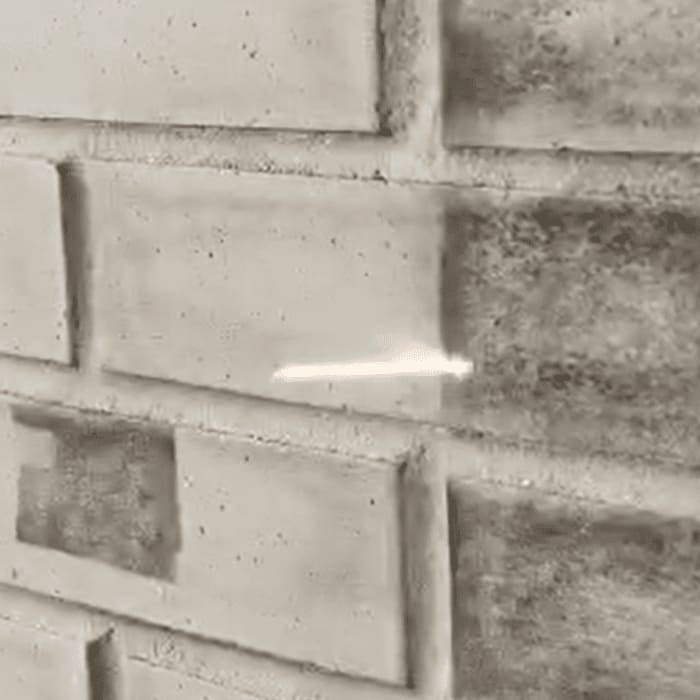
Laser vs. Chemical vs. Sandblasting: Which Method Is Best?
Let’s address the most important question first: How does laser cleaning compare to traditional methods?
The comparison table below summarizes the key differences based on surface safety, environmental impact, cost, and long-term value:
Factor | Laser | Chemical | Sandblasting | Pressure Wash |
Surface Damage | None | Possible | High Risk | Moderate |
Eco-Friendly | Excellent | Poor | Poor | Moderate |
Historic Buildings | Safe | Not Safe | Not Safe | Not Safe |
Noise Level | Low | Low | Very High | High |
Cleanup Required | Minimal | Extensive | Extensive | Moderate |
Initial Cost | Higher | Lower | Lower | Lowest |
Long-term Value | Best | Fair | Poor | Fair |
VERDICT: For historic buildings, delicate surfaces, environmentally sensitive areas, and properties with repeat vandalism, laser cleaning is the clear winner. Consider chemical or sandblasting only when budget is severely limited AND permanent surface damage is acceptable.
Is Laser Graffiti Removal Right for Your Project?
Laser cleaning isn’t always the best solution for every situation.
Here’s a quick decision guide to help you determine if it’s the right fit:
✅ Laser Cleaning Is IDEAL For:
- The surface is historic, antique, or irreplaceable
- You need to avoid chemicals (environmental regulations, personal preference, proximity to waterways)
- The surface is delicate (marble, limestone, sandstone, bronze, polished stone)
- Cleaning will happen near residential areas, schools, hospitals, or during business hours
- You experience repeat vandalism and need multiple cleanings without surface degradation
- The property is near waterways or environmentally protected areas
- Indoor cleaning where dust, fumes, and noise must be minimized
⚠️ Consider Other Methods If:
- Cleaning a very large area (500+ sq ft) on non-sensitive concrete that will be repainted anyway
- Budget is extremely limited AND surface damage is acceptable
- The structure is scheduled for demolition or major renovation
QUICK DECISION CHECKLIST Check all that apply to your situation: ☐ Surface is historic, protected, or culturally significant ☐ Surface material is stone, marble, brick, or architectural metal ☐ Chemical restrictions apply (environmental or regulatory) ☐ Location is near residences, schools, or public spaces ☐ Previous cleaning methods have caused visible surface damage ☐ Graffiti appears repeatedly at this location (vandalism hotspot) Result: If you checked 2 or more boxes, laser cleaning is likely your best option. |
How Does Laser Graffiti Removal Work?
Laser graffiti removal works through a process called selective laser ablation — here’s how it works in simple terms:
The Science Behind Laser Ablation
Different materials absorb light energy at different rates. Paint pigments — especially dark colors like black, blue, and red — absorb laser energy very efficiently and heat up rapidly. Stone, metal, and concrete absorb much less energy and stay cool.
This difference in absorption is the key to why laser cleaning works without damaging the underlying surface.
Step-by-Step Cleaning Process
Here’s exactly what happens during professional laser graffiti removal:
- Surface Assessment: Technician evaluates the surface material, paint type, color, and thickness
- Parameter Setting: Laser power, pulse frequency, and scan speed are configured based on assessment
- Test Patch: A small, inconspicuous area is cleaned first to verify optimal settings
- Laser Application: High-energy laser beam is directed at the graffiti surface
- Paint Absorption: Paint pigments absorb laser energy and heat to thousands of degrees in microseconds
- Vaporization: Paint instantly vaporizes or breaks into microscopic particles
- Debris Capture: Built-in vacuum system with HEPA filtration captures all particles
- Surface Reflection: When laser reaches the underlying surface, energy reflects away without damage
Final Inspection: Any remaining traces are addressed with fine-tuned settings
The entire process is non-contact — the laser beam never physically touches the surface, eliminating any risk of mechanical damage.
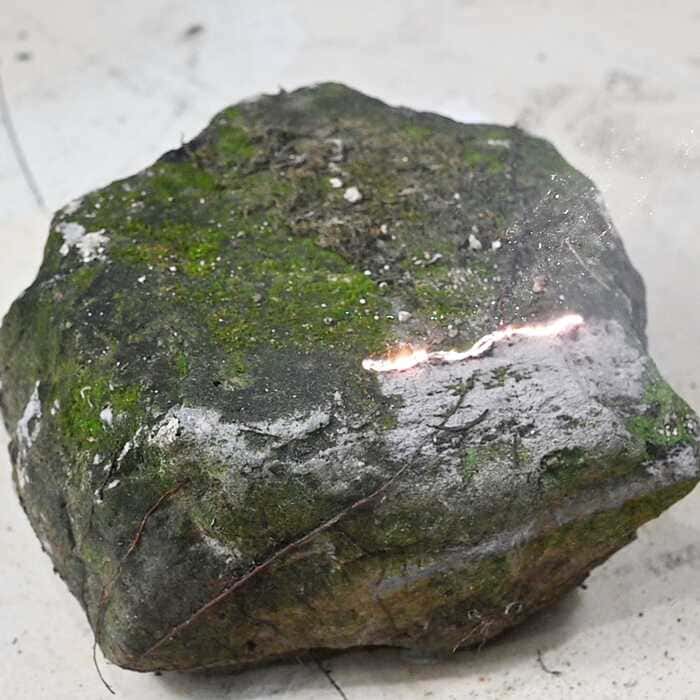
7 Key Benefits of Laser Graffiti Removal
Why are heritage conservators, city governments, and property managers increasingly choosing laser cleaning?
Here are the seven most important advantages:
Benefit 1: Zero Surface Damage
Unlike sandblasting, which physically erodes surfaces, or chemicals that can etch and stain, laser cleaning removes only the paint layer.
The substrate remains completely intact—even after multiple cleaning cycles.
Benefit 2: Environmentally Friendly
Laser cleaning is the greenest graffiti removal method available:
- Zero chemicals enter the environment
- Zero water consumption (pressure washing uses hundreds of gallons per job)
- Minimal waste — particles captured by HEPA filtration
- No toxic runoff to contaminate soil or waterways
Benefit 3: Safe for Historic & Delicate Surfaces
Laser cleaning is the method of choice for heritage conservation. It has been successfully used on:
- Stonehenge and the West Kennet Avenue at Avebury (United Kingdom)
- Joshua Tree National Park sacred rock art sites (United States)
- Museum artifacts and sculptures worldwide
- Protected heritage buildings across Europe and North America
Benefit 4: Fast and Efficient
Laser cleaning speed depends on equipment power and paint thickness. Typical performance:
- 1000W system: approximately 1 square meter per 30 minutes (heavy paint)
- 10cm-wide strip cleaned in a single pass
- Light graffiti or higher-power systems (2000W+) work significantly faster
Benefit 5: Low Long-Term Operating Costs
While equipment costs more upfront, ongoing expenses are minimal:
- No consumables (sand, chemicals, abrasives) to purchase
- Laser sources rated for 100,000+ hours of operation
- Minimal maintenance requirements
- No cleanup, disposal, or environmental remediation costs
Benefit 6: Quiet Operation
Unlike ear-splitting sandblasting equipment, laser cleaners operate at conversational noise levels (typically under 70 decibels). This makes them suitable for:
- Residential neighborhoods without noise complaints
- Near hospitals, schools, and office buildings
- During business hours without disturbing occupants
- Indoor applications where noise must be minimized
Benefit 7: Precision Control
Laser systems allow operators to adjust settings precisely, enabling:
- Selective removal of graffiti without affecting surrounding paint or finishes
- Matching cleaned areas to surrounding patina (avoiding “too clean” appearance on historic surfaces)
- Cleaning intricate architectural details and hard-to-reach areas
How Much Does Laser Graffiti Removal Cost?
Cost is one of the most common questions about laser cleaning.
Here’s a transparent breakdown:
Professional Service Pricing (Hiring a Company)
Typical costs when hiring a professional laser cleaning service:
Project Size | Cost Range | Time Estimate |
Small (<10 sq ft) | $150 – $400 | 30 min – 1 hour |
Medium (10-50 sq ft) | $400 – $1,500 | 1 – 3 hours |
Large (50-200 sq ft) | $1,500 – $5,000 | 3 – 8 hours |
Historic/Specialty | Custom quote | Varies by project |
Factors affecting price: paint thickness and number of layers, surface material and accessibility, geographic location and travel distance, urgency/scheduling requirements.
Equipment Purchase Pricing (For Businesses)
If you’re a contractor, property manager, or municipality considering in-house equipment:
Power Level | Price Range | Best For |
100-200W (Pulsed) | $4,500 – $8,000 | Delicate work, small areas |
1000W (Continuous) | $4,000 – $6,000 | General commercial use |
1500-3000W (Continuous) | $4,000 – $12,000+ | Heavy-duty, high volume |
ROI Consideration: A $15,000 machine typically pays for itself after 15-30 service jobs.
For businesses handling frequent graffiti removal, break-even often occurs within the first year.
What Surfaces Can Be Cleaned with Laser?
Laser cleaning works on virtually any hard, non-flammable surface. Here’s a comprehensive compatibility guide:
Fully Compatible Surfaces
- Natural Stone: marble (polished and honed), granite, limestone, sandstone, slate, travertine
- Metals: steel, stainless steel, aluminum, bronze, brass, copper, iron
- Construction Materials: brick (all types), concrete, precast concrete, stucco, render, terracotta, clay tile
- Other Materials: glass (with appropriate settings), painted wood, painted metal (selective removal)

Common Application Areas
- Historic buildings, monuments, statues, and memorials
- Bridges, tunnels, and transportation infrastructure
- Commercial building facades and storefronts
- Public parks, plazas, and recreation facilities
- Train stations, transit systems, and airports
- Schools, universities, and government buildings
- Industrial facilities, warehouses, and factories
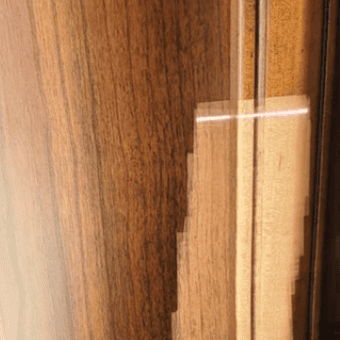
Does Laser Graffiti Removal Work on Brick?
Yes, laser cleaning is highly effective on brick and is often the preferred method because:
- Brick is porous — paint penetrates deep into the surface, making it hard to remove with other methods
- Chemical cleaners frequently leave ghost images on brick
- Sandblasting erodes the brick face and damages mortar joints
Laser energy penetrates into pores to remove embedded paint without surface erosion
Laser Graffiti Removal Equipment: A Buyer's Guide
For businesses considering equipment purchase, here are the key specifications to understand:
Pulsed vs. Continuous Wave Lasers
Pulsed Lasers:
- Deliver energy in short, intense bursts (nanosecond to microsecond pulses)
- Minimal heat transfer to substrate — best for delicate and heat-sensitive surfaces
- Ideal for: historic preservation, museums, fine art, precision applications
- Typical power range: 100W – 500W
Continuous Wave (CW) Lasers:
- Deliver constant energy stream for faster cleaning
- More cost-effective for high-volume commercial applications
- Ideal for: construction, industrial cleaning, municipal services
- Typical power range: 1000W – 3000W
Portability Considerations
For graffiti removal, portability is usually essential. Key features to look for:
- Wheeled cart systems for easy transport to job sites
- Ergonomic handheld cleaning heads for extended use
- Cable length of 10-20 meters for flexibility
- Integrated vacuum/filtration systems
Vehicle-mountable options for mobile service operations
Environmental and Safety Benefits
Sustainability and worker safety are increasingly important factors in choosing cleaning methods. Here’s why laser cleaning excels in both areas:
Environmental Advantages
- Zero Chemical Usage: No solvents, acids, or detergents enter the environment. No toxic runoff to contaminate soil or waterways.
- Zero Water Consumption: Unlike pressure washing, laser cleaning requires no water—conserving thousands of gallons per project.
- Minimal Waste: Vaporized paint particles are captured by HEPA-filtered vacuum systems. No piles of contaminated sand or chemical containers to dispose of.
- No Toxic Runoff: Safe for use near waterways, storm drains, parks, and environmentally protected areas.
Operator Safety
Laser cleaning eliminates exposure to common hazards found in traditional cleaning methods:
- No toxic chemical fumes or skin contact risks
- No silica dust (a serious respiratory hazard from sandblasting)
- No high-pressure water injuries
- Low noise levels — no hearing damage risk
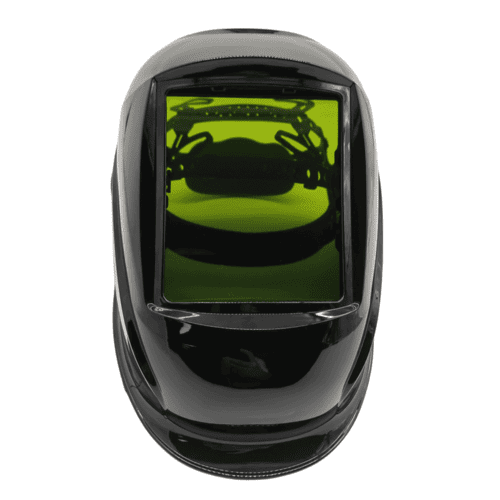
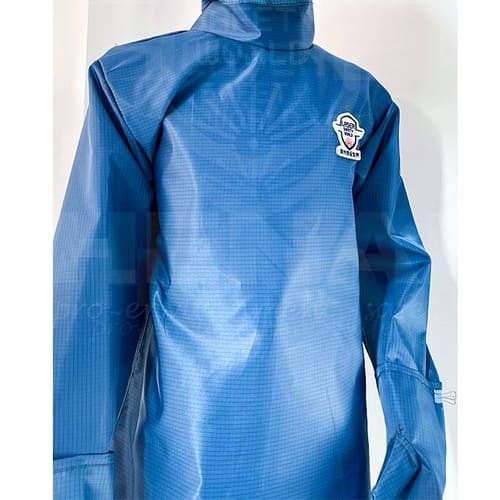
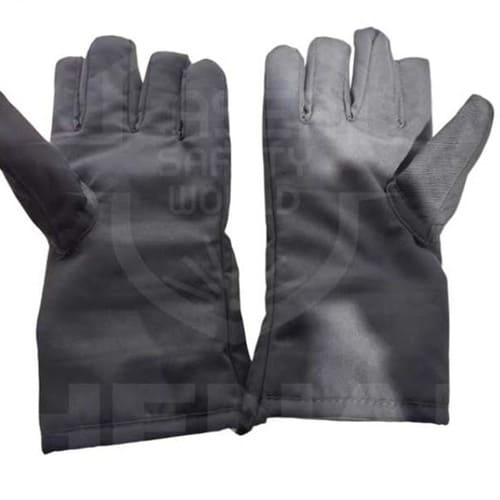
Standard safety requirements include laser safety eyewear and basic operator training — far simpler than chemical handling certifications or respiratory protection programs required for other methods.
Frequently Asked Questions
A: Laser graffiti removal is a cleaning technology that uses focused, high-energy light beams to vaporize paint from surfaces through a process called ablation. The laser energy is absorbed by paint pigments, causing them to instantly heat and evaporate, while the underlying surface remains undamaged due to its different absorption properties.
A: Yes. Laser cleaning is the preferred method for heritage conservation because it removes only the unwanted coating without touching or damaging the original surface. It has been successfully used on UNESCO World Heritage Sites including Stonehenge, and is trusted by museums and conservation organizations worldwide.
A: Professional service costs typically range from $150-$400 for small areas (under 10 sq ft), $400-$1,500 for medium projects (10-50 sq ft), and $1,500-$5,000 for large areas. For equipment purchase, machines range from $7,000 for entry-level units to $35,000+ for high-power professional systems.
A: Laser cleaning works on most hard surfaces including: natural stone (marble, granite, limestone, sandstone), metals (steel, aluminum, bronze, copper), brick, concrete, glass, and wood. With proper parameter adjustment, it can safely clean even the most delicate materials.
A: Laser cleaning offers three key advantages: (1) Zero surface damage—unlike sandblasting which erodes materials, (2) Environmentally friendly—no chemicals or water waste, and (3) Precision control—can selectively remove only graffiti without affecting surrounding paint. The main trade-off is higher initial cost.
A: Yes, it's one of the most eco-friendly cleaning methods available. It uses zero chemicals, zero water, and produces minimal waste (captured by built-in filtration). This makes it ideal for environmentally sensitive locations near waterways, parks, or protected ecosystems.
A: Speed depends on laser power, paint thickness, and surface type. With a 1000W+ system, approximately 1 square meter of heavily painted surface can be cleaned in about 30 minutes. A 10cm-wide strip can be cleaned in a single pass. Lighter graffiti or higher-powered systems work faster.
A: For light-duty or precision work: 100-500W. For regular commercial use: 500-1000W. For heavy-duty or high-volume applications: 1000-3000W. Pulsed lasers are better for delicate surfaces; continuous wave lasers are faster for large areas.
A: Laser cleaning effectively removes most graffiti types including spray paint, permanent markers, paint pens, and wax crayons. Dark colors typically remove faster than light colors due to higher energy absorption. Multiple passes may be needed for very thick applications.
A: Yes, when proper safety protocols are followed. Required equipment includes laser safety eyewear appropriate for the wavelength being used. Modern systems include safety interlocks and enclosures. Compared to chemical cleaning, operators avoid exposure to toxic solvents and fumes.
A: Professional laser cleaning services are available in most major metropolitan areas. Look for companies specializing in surface restoration, heritage conservation, or industrial cleaning. Many providers offer mobile units that can travel to your location.
A: Quality fiber laser sources have rated lifespans of 100,000+ operating hours—equivalent to many years of daily use. With minimal moving parts and no consumables, maintenance costs are low. Most manufacturers offer 1-2 year warranties.
Ready to Remove Graffiti the Right Way?
Get a free, no-obligation quote for professional laser graffiti removal services. Our team will assess your project and provide transparent pricing within 24 hours.
We supply professional laser cleaning systems for contractors, municipalities, and service businesses. Request equipment specifications, pricing, and ROI analysis for your operation.
Contact Information:
- 📧 Email: [info@chihalo.com]
- 📱 WhatsApp: [+86 18608325040]
Our technical team will respond within 24 hours with personalized recommendations and competitive pricing.