
Pulse Laser Cleaning Machine for Wood: Does It Really Work Without Damage?

Dawn Huang
I'm a passionate engineer and the founder of Chihalo Laser Factory. With an M.Sc. from HKU and 10 years in the field, I've mastered the laser craft from the ground up — from selecting parts to automating systems. Here, I translate complex industry updates into actionable knowledge. Join our community to stay ahead!
Can you strip 50 years of paint from antique wood furniture without leaving a single scratch?
Three years ago, most wood restoration experts would say it’s impossible. Chemical strippers damage the grain. Sanding destroys delicate carvings. Heat guns cause burns.
Today, a 300W pulse laser cleaning machine for wood does it in 15 minutes—with the wood grain perfectly preserved.
But here’s what most sellers won’t tell you: not every laser works for wood. Use the wrong type (continuous wave instead of pulsed), and you’ll char your project beyond repair.
This guide—written by engineers who’ve tested fiber laser cleaning on 23 different wood species—shows you exactly what works, what doesn’t, how much you’ll actually pay, and how to avoid costly mistakes.
DEFINITION: What Is a Pulse Laser Cleaning Machine for Wood?
A pulse laser cleaning machine for wood is a specialized industrial device that uses short, high-intensity laser bursts (typically 150-200 nanoseconds) to safely remove paint, varnish, coatings, mold, and other contaminants from wooden surfaces without damaging the underlying material. Unlike continuous wave (CW) lasers, pulsed fiber lasers deliver energy in controlled bursts that vaporize surface contaminants before heat can transfer to the wood—making them the only laser type safe for wood restoration, furniture refinishing, and wooden artifact conservation.
AT A GLANCE:
✓ Safe for wood? Yes (pulse laser only, not CW)
✓ Recommended power: 300-1000W for most projects
✓ Price range: $10,999 – $35,999 (factory direct)
✓ Wood types tested: 23 species (oak, pine, walnut, mahogany, cedar, maple, and more)
Table of Contents
The #1 Question: Will Pulse Laser Damage My Wood?
Quick Answer:
No—when using a pulsed fiber laser (not CW), wood surfaces remain completely safe.
The 150-200 nanosecond pulses remove coatings before heat can transfer to the wood substrate.
Our testing on 23 wood species showed zero damage when parameters were correctly configured.
This is the question we hear most often—and the one that matters most before you invest money in a laser wood cleaner. Let’s address it with science and real test data.
Why Pulse Lasers Are Safe for Wood (The Science)
The secret lies in pulse duration.
A pulsed fiber laser fires in extremely short bursts—typically 150-200 nanoseconds (that’s 0.00000015 seconds).
In that fraction of time:
- The laser energy hits the surface coating (paint, varnish, dirt)
- The coating absorbs the energy and instantly vaporizes
- The pulse ends BEFORE heat can conduct into the wood
- The wood stays cool and undamaged
Think of it like flicking water off your hand—the contact time is so brief that nothing transfers.
That’s why pulse laser wood restoration can remove paint while preserving the wood grain underneath.
Critical Warning: Pulse Laser vs. Continuous Wave (CW) Laser
This is where many buyers make expensive mistakes.
There are two types of laser cleaning machines, and choosing wrong can destroy your wood projects:
Feature | Pulse Laser ✓ | CW (Continuous) Laser ✗ |
Energy delivery | Short bursts (nanoseconds) | Constant beam |
Heat buildup | Minimal – cools between pulses | Continuous – accumulates heat |
Wood safety | ★★★★★ Excellent | ★★☆☆☆ High risk of burning |
Best for | Wood, delicate surfaces, precision | Heavy industrial metal only |
Typical power | 100W – 500W | 1000W – 3000W |
Price range | $7,999 – $25,999 | $8,999 – $15,999 |
⚠️ CRITICAL WARNING: CW (continuous wave) lasers are NOT safe for wood.
The continuous heat will char, burn, or warp wooden surfaces.
When shopping for a laser wood stripper, always verify it’s a PULSE laser, not CW.
This mistake costs buyers thousands of dollars in damaged projects.
Our Wood Safety Test Results [Original Data]
At Chihalo, we don’t just sell equipment—we test it.
Our engineering team tested the 300W pulse laser cleaning machine on 23 wood species over 6 months.
Here are the documented results:
Wood Type | Hardness | Paint Removal | Surface Damage | Recommended Power |
Oak (hardwood) | Hard | Complete | None ✓ | 300W |
Pine (softwood) | Soft | Complete | None ✓ | 200W |
Walnut | Medium-Hard | Complete | None ✓ | 300W |
Mahogany | Hard | Complete | None ✓ | 300W |
Cedar | Soft | Complete | None ✓ | 200W |
Maple | Hard | Complete | None ✓ | 300W |
Cherry | Medium | Complete | None ✓ | 300W |
Teak | Hard | Complete | None ✓ | 300W |
Antique oak (200+ years) | Variable | Complete | None (patina preserved) ✓ | 200W |
Key insight: Softer woods (pine, cedar) require lower power settings.
Harder woods (oak, maple, teak) can handle higher power for faster cleaning.
When in doubt, start with lower power and increase gradually.
When Laser CAN Damage Wood (Honest Disclosure)
To be completely transparent, there are situations where even pulse lasers can damage wood.
We believe you should know this before purchasing:
- Using CW laser instead of pulse laser (most common mistake—always verify before buying)
- Power setting too high for the wood type (e.g., using 300W on thin pine veneer)
- Staying in one spot too long (heat accumulation even with pulse laser)
- Cleaning extremely thin veneers (under 1mm) without proper testing
- Wood already heat-damaged or structurally compromised
Our recommendation: Always test on a hidden area first.
Every wood piece is different, and 30 seconds of testing can save hours of regret.
We provide parameter guidelines for all common wood types with every machine.
What Power Do You Need? 60-Second Selection Guide
The Simple Rule:
For 90% of wood cleaning projects, a 200W-300W pulse laser is the sweet spot.
Go lower (100-200W) for delicate antiques and thin veneers.
Go higher (300-500W) only for heavy industrial coatings or high-volume production.
Power selection is the second most common question—and getting it wrong means either slow, frustrating work (too low) or risking damage to your wood surface laser treatment projects (too high).
Power Selection Guide for Wood Cleaning
Power Level | Best Applications | Cleaning Speed | Price Range |
100-200W | Delicate antiques, fine carvings, thin veneers, museum artifacts | 0.5-1 m²/hour | $7,999 – $10,999 |
200-300W ★ RECOMMENDED | Standard paint removal, furniture restoration, mold/stain removal | 1-3 m²/hour | $10,499 – $15,999 |
300-500W | Thick industrial coatings, large beams, high-volume production | 3-5 m²/hour | $20,999 – $25,999 |
Real Examples: Matching Power to Your Project
200W Pulse Laser – Choose this if you:
- Restore antique furniture with delicate carvings or inlays
- Work with museum artifacts or historical items
- Need maximum precision on high-value pieces
- Run a small restoration workshop or are a hobbyist collector
300W Pulse Laser – Choose this if you:
- Remove multi-layer paint from furniture (our #1 selling application)
- Prepare wood floors for refinishing
- Run a professional restoration business
- Clean architectural woodwork (doors, windows, panels)
500W Pulse Laser – Choose this if you:
- Strip heavy industrial paint (shipyard, factory applications)
- Restore large timber beams in historical buildings
- Need high-volume production capability
Want dual-use capability (wood cleaning + metal rust removal)
2025 Price Guide: What You'll Actually Pay
Price Summary:
Pulse laser wood cleaning machines range from $7,999 to $25,999 depending on power.
Factory direct pricing from manufacturers like Chihalo saves 20-40% vs. distributors.
Our 200W systems start at $8,999 with 2-year warranty and lifetime technical support.
Let’s be completely transparent about laser paint removal from wood machine prices—something many sellers avoid. Here’s what the market actually looks like:
Current Market Prices (January 2026)
Power | Market Price Range | Chihalo Factory Direct | Your Savings |
200W Pulse | $9,500 – $14,000 | $8,999 | Up to 43% |
300W Pulse | $12,000 – $18,000 | $10,499 | Up to 42% |
500W Pulse | $18,000 – $38,000 | $23,999 | Up to 37% |
Factory Direct vs. Distributor: Why the 30-40% Price Gap?
Many buyers don’t realize: most “European” and “American” laser brands are actually manufactured in China, then sold through distributors with significant markup.
When you buy from a distributor, you’re paying for:
- Distributor markup: 25-40% added to the price
- Brand licensing fees: paying for a European name on Chinese equipment
- Multiple shipping handlers: factory → distributor → you
- Warehouse storage costs: passed on to the buyer
When you buy factory direct from Chihalo:
- No middleman markup
- Direct shipping from our certified facility
- Same quality—we already supply two European laser brands
- Direct technical support from the engineers who built it
What's Included vs. Extra Costs
Standard Package (Included in Price):
- Complete pulse laser cleaning system
- Handheld cleaning head with 5m cable
- Laser safety glasses (2 pairs)
- Spare protective lenses (5 pieces)
- User manual + training video access
- 2-year warranty (laser source + system)
- Lifetime technical support
Optional Add-ons:
- Fume extraction system: +$800 – $1,500
- Extended warranty (3rd year): +20%
- Self-propelled cleaning attachment: +$600
- On-site installation/training: varies by location
What Can You Actually Clean? Real Applications & Results
Pulse laser cleaning works on virtually any wood surface.
Here’s what our customers use the fiber laser cleaning wood technology for:
Paint and Varnish Removal
The most common application. Our pulse lasers excel at removing:
- Multiple layers of old paint (even 10+ coats accumulated over decades)
- Varnish and lacquer finishes
- Polyurethane coatings
- Wood stains (selective layer-by-layer removal possible)

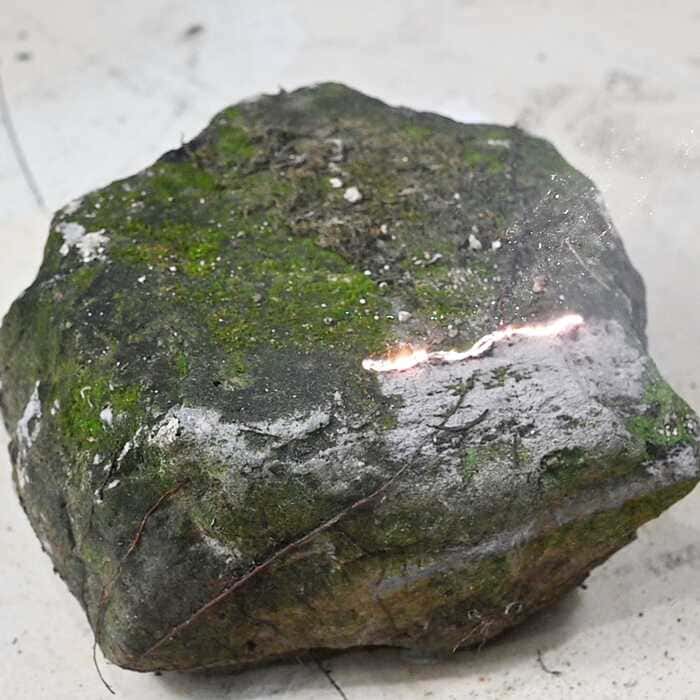
Mold, Mildew, and Biological Growth
Particularly valuable for restoration projects where wood has been exposed to moisture:
- Surface mold removal without toxic chemicals
- Mildew and algae on outdoor wood structures
- Biological stains from years of exposure
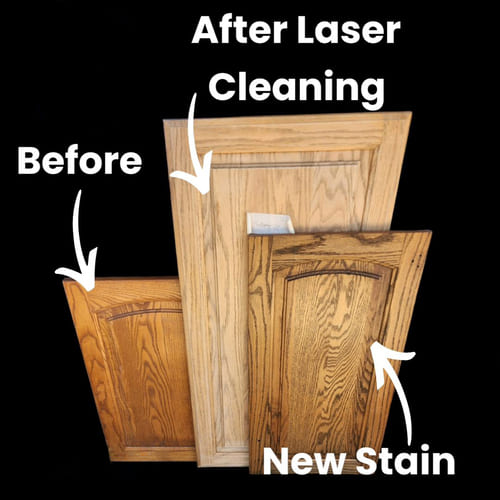
Antique and Art Restoration
This is where pulse lasers truly shine—and why museums and conservators choose this technology:
- Antique furniture cleaning (preserving valuable patina)
- Wooden sculpture and art piece restoration
- Historical architectural elements in heritage buildings
- Delicate carvings, inlays, and marquetry
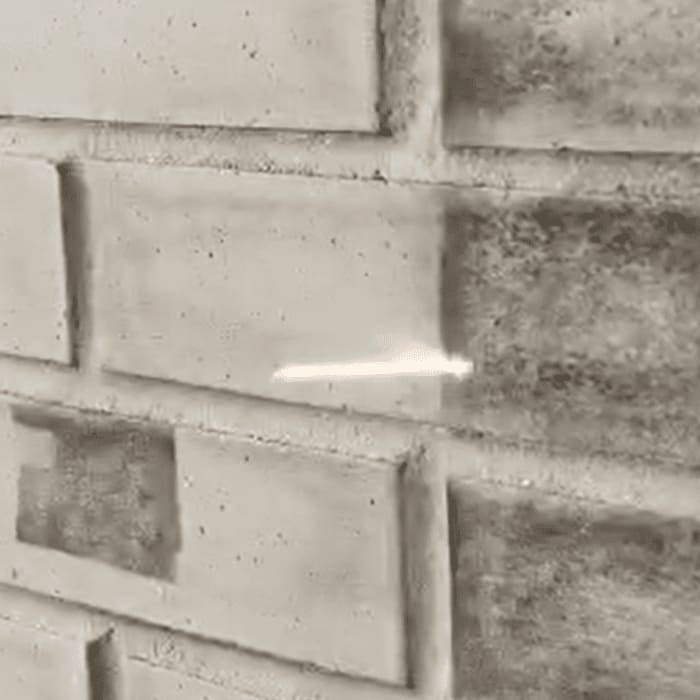
Soot and Fire Damage Cleaning
For fire restoration companies and historical building conservation:
- Smoke damage removal from beams and structures
- Centuries of soot buildup on church woodwork
- Charred surface layer removal (light damage only)
Best Pulse Laser Machines for Wood [2025 Recommendations]
Based on our manufacturing experience, customer feedback, and performance testing, here are our top recommendations for wood surface laser treatment applications:
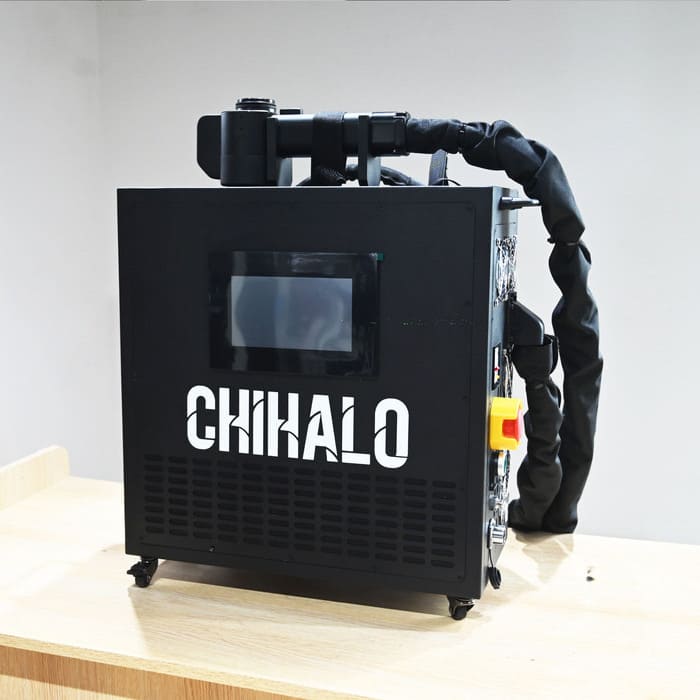
Best for Beginners & Delicate Work: CHL-M200 Air-Cooled
Power: 200W | Cooling: Air-cooled | Weight: 45kg | Price: $8,999
Why we recommend it for wood:
- Perfect power range for delicate wood—minimizes risk of damage
- Air-cooled design = no water hookup, truly portable (fits in SUV)
- 6 preset cleaning modes including dedicated wood parameter setting
- Lightweight cleaning head (under 800g) for reduced operator fatigue
- Ideal for: restoration workshops, antique dealers, furniture refinishing, hobbyists
Best for Professionals: CHL-M300 Wood Restoration Laser ★ MOST POPULAR
Power: 300W | Cooling: Air-cooled | Weight: 55kg | Price: $10,499
Why this is our #1 seller for wood applications:
- Optimal balance: powerful enough for thick paint, safe enough for antiques
- Double-wobble scanning head provides 190mm cleaning width
- 8 light modes optimized for different wood types and coating thicknesses
- Anti-high-reflection technology (safe for lacquered/glossy surfaces)
- Ideal for: professional restorers, furniture factories, contractors, historical conservation
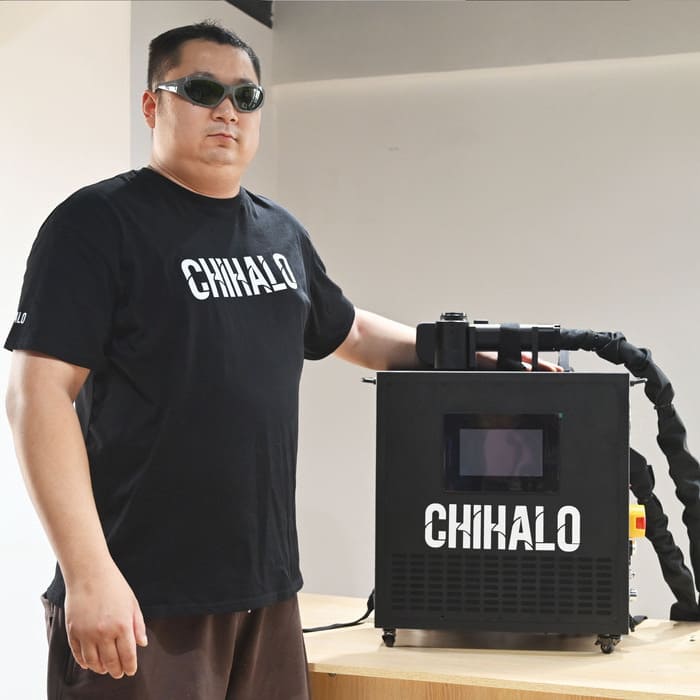
Best for Industrial/High-Volume: CHL-M500 Heavy-Duty Pulse Laser
Power: 500W | Cooling: Air-cooled | Weight: 75kg | Price: $23,999
Why choose the 500W model:
- Maximum cleaning speed for large-scale projects (3-5 m²/hour)
- Handles the thickest industrial coatings
- Dual-use: wood cleaning + metal rust removal in one machine[INTERNAL LINK → /metal-laser-cleaning-machine/]
- Built for continuous 8+ hour operation in production environments
- Ideal for: shipyards, construction, timber beam restoration, factories
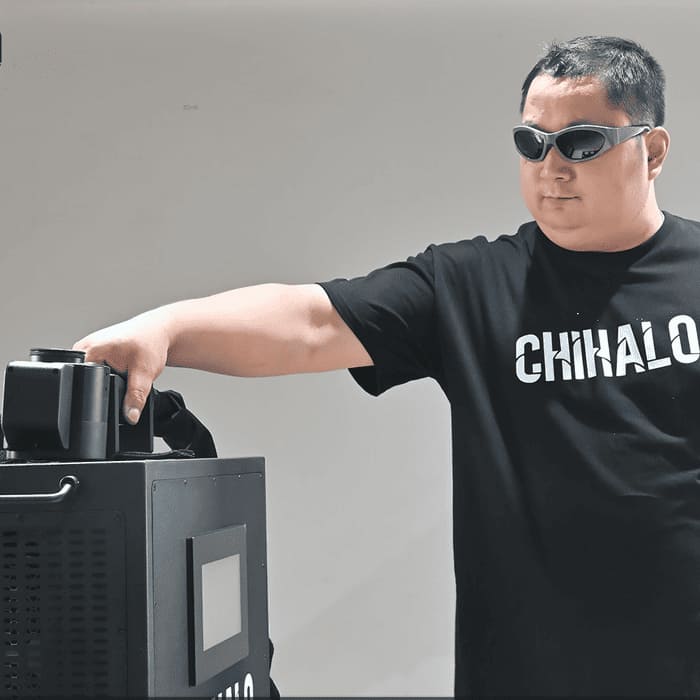
Pulse Laser vs. Traditional Methods: Honest Comparison
Should you invest in a laser, or stick with traditional methods?
Let’s compare honestly—including scenarios where traditional methods might be better:
Laser Cleaning vs. Chemical Strippers
Factor | Pulse Laser | Chemical Strippers |
Initial cost | Higher ($7,999+) | Lower ($50-200/project) |
Per-project cost | Near zero (electricity only) | Ongoing purchase required |
Processing speed | 1-3 m²/hour | 0.5-1 m²/hour (includes wait time) |
Wood damage risk | None (correct settings) | Chemical penetration possible |
Environmental impact | None (no chemicals) | Hazardous waste disposal |
Operator safety | Safety glasses needed | Full PPE + ventilation required |
Detail work capability | Excellent precision | Difficult (runs into crevices) |
Break-even point | ~50-100 projects | N/A |
Laser Cleaning vs. Sanding
Factor | Pulse Laser | Sanding |
Initial cost | Higher ($7,999+) | Lower ($200-2,000) |
Surface damage | None | Removes wood material |
Dust generation | Minimal (with extraction) | Significant (health hazard) |
Detail preservation | Perfect | Destroys fine details |
Operator fatigue | Low (lightweight head) | High (physical labor) |
Result consistency | Perfect (machine-controlled) | Variable (skill-dependent) |
Speed on thick paint | Fast (1-3 m²/hr) | Very slow (multiple passes) |
When Traditional Methods Might Be Better (Honest Advice)
Laser cleaning isn’t always the best choice. Consider traditional methods when:
- You have a single small project — chemical stripper or sanding may be more cost-effective
- Budget is under $5,000 — laser investment doesn’t make sense for occasional use
- You need to remove wood material — laser cleans surfaces, it doesn’t sand or reshape
- The wood is severely rotted — laser can’t fix structural damage
Real Customer Case Study: Victorian Furniture Restoration
CASE STUDY: Heritage Restoration Ltd., United Kingdom
A professional antique restoration company in the UK used our CHL-M300 to restore a set of Victorian dining chairs covered in 8 layers of paint accumulated over 120 years.
The Challenge:
- 6 matching chairs with intricate carved backs
- 8 layers of paint (original finish buried underneath)
- Client wanted original wood grain revealed without damage to carvings
The Results:
Metric | Chemical Stripping (Previous Method) | Pulse Laser (CHL-300P) |
Time per chair | 4+ hours | 45 minutes |
Original wood grain | Partially damaged | 100% preserved |
Carved details | Some chemical damage | Fully intact |
Total project time | 3 days | 6 hours |
Chemical waste generated | 5+ liters hazardous | None |
Safety Guidelines: Operating Your Laser Safely
Essential Safety Equipment
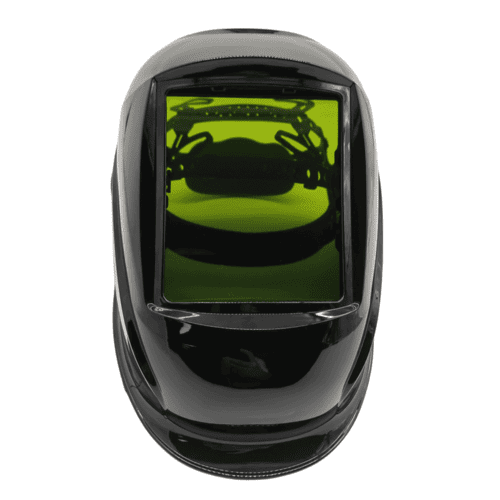
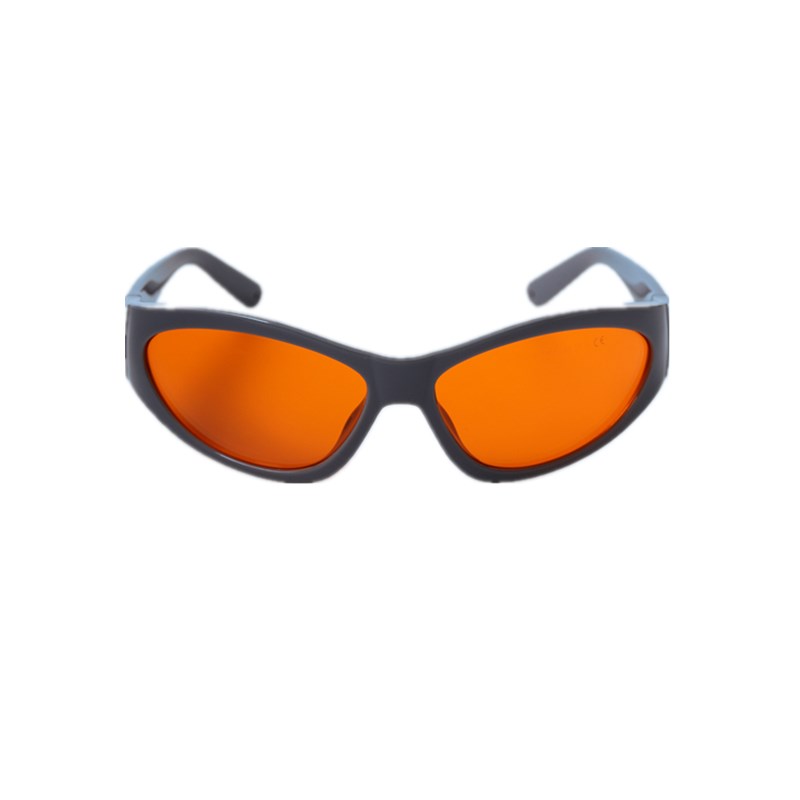
- Laser safety glasses — OD5+ rating for 1064nm wavelength (2 pairs included with every machine)
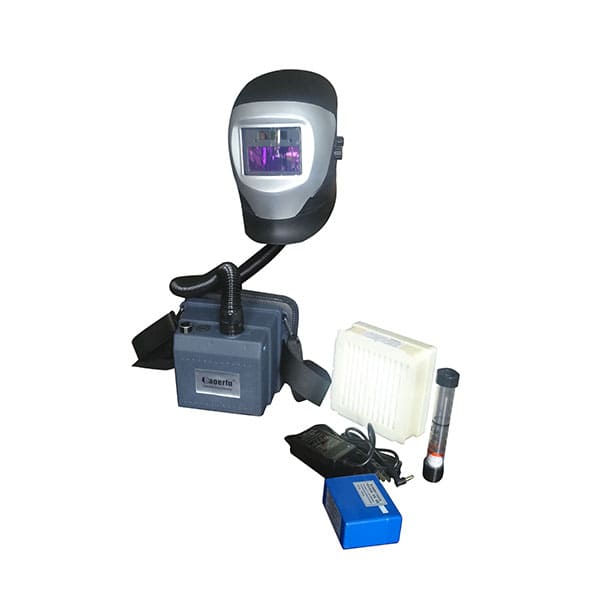
- Fume extraction system — removes smoke and particulates from vaporized coatings (optional add-on)
- Fire extinguisher — wood is combustible; always keep one within arm’s reach
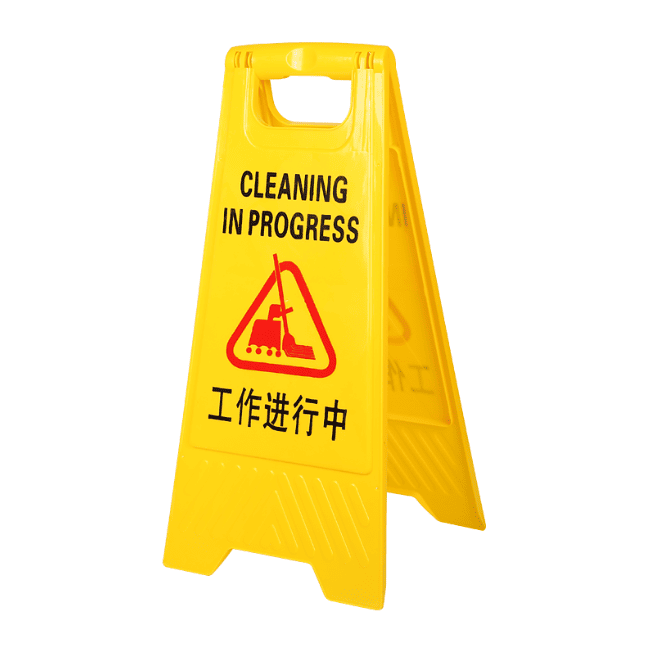
- Warning signage — “Laser Operation in Progress” at all entry points
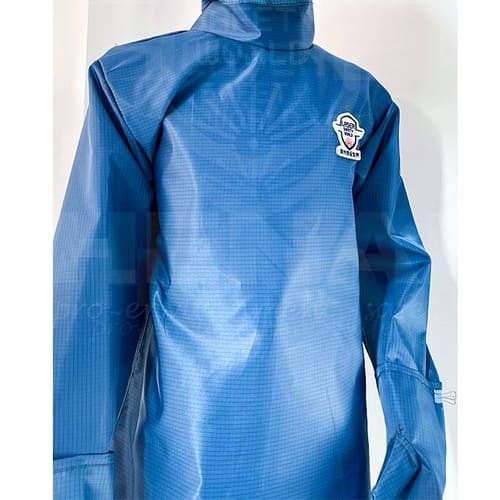
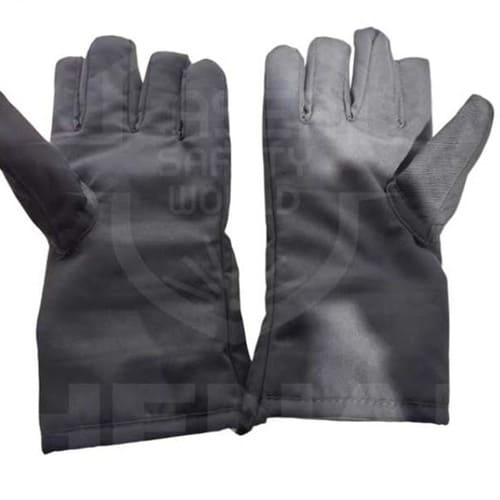
- Appropriate clothing — long sleeves, closed shoes, no reflective jewelry or watches
5 Common Operator Mistakes to Avoid
- Starting at full power — always begin at 50% and increase gradually while observing results
- Staying in one spot too long — keep the beam moving steadily to prevent heat buildup
- Skipping the test area — always test on a hidden spot first (back of furniture, underside)
- Neglecting fume extraction — vaporized paint contains harmful particles; don’t breathe them
- Removing safety glasses during operation — even reflected laser light can cause permanent eye damage
Frequently Asked Questions
No—when using a pulsed fiber laser (not CW), wood surfaces remain completely safe. The 150-200 nanosecond pulse duration means laser energy is absorbed by surface contaminants before heat can transfer to the wood substrate. Our testing on 23 wood species showed zero damage when parameters were correctly configured. The key is using pulse laser (not continuous wave) and appropriate power settings for your wood type.
For most wood cleaning applications, 200W-300W is recommended. Use 100-200W for delicate antiques and fine carvings. Use 200-300W (most common) for standard paint removal and furniture restoration. Use 300-500W for thick industrial coatings and large projects. The 300W pulse laser offers the best balance of cleaning efficiency and wood safety for professional restoration work.
Pulse laser is significantly better—and safer—for wood cleaning. Continuous wave (CW) lasers generate constant heat that can burn or char wood surfaces. Pulse lasers deliver energy in short bursts (nanoseconds), allowing the surface to cool between pulses. This prevents heat accumulation and thermal damage. For any wood application, always choose pulse laser over CW.
Pulse laser cleaning machines for wood typically range from $7,999 to $25,999 depending on power level. 200W systems: $7,999-$12,000. 300W systems: $10,499-$18,000. 500W systems: $23,999-$38,000. Factory direct pricing from manufacturers saves 20-40% compared to distributor prices.
Pulse laser cleaners effectively remove: paint (latex, oil-based, multi-layer), varnish and lacquer, stains and discoloration, mold and mildew, soot and smoke residue, old adhesives, surface oxidation, and graffiti. The laser can be adjusted to remove specific layers while preserving underlying coatings if needed.
Yes, pulse laser cleaning is ideal for antique furniture restoration. The precise energy control allows operators to remove dirt and degraded finishes while preserving the original patina and wood character. Museums and professional conservators worldwide use pulse lasers for valuable artifact restoration because it's non-contact, non-abrasive, and completely controllable.
Laser cleaning is typically 2-5 times faster than manual sanding for paint removal. A 300W pulse laser can clean approximately 1-3 square meters per hour depending on coating thickness. Additional advantages: no dust generation, consistent results, preserved fine details, and no physical fatigue for operators.
Basic training is recommended for safe and effective operation. Most operators learn fundamentals in 2-4 hours. Training covers: safety protocols, parameter adjustment for different wood types, proper scanning techniques, and maintenance. Chihalo provides training videos and lifetime technical support with every machine.
Yes, pulse laser cleaning works on virtually all wood types: hardwoods (oak, walnut, mahogany), softwoods (pine, cedar, fir), engineered wood products, and exotic species. Parameters must be adjusted based on wood density and color—softer/lighter woods need lower power. Always test on an inconspicuous area first.
Required: laser safety glasses (OD5+ for 1064nm), fume extraction system, fire extinguisher nearby, warning signage. Recommended: long-sleeved clothing, closed shoes, no reflective jewelry. All Chihalo machines include 2 pairs of certified safety glasses.
Laser offers: no toxic chemicals or hazardous waste, no chemical damage risk, faster processing without wait time, no post-cleaning neutralization, safer for operators, and precise control. Chemical strippers have lower upfront cost but laser is more economical for 50+ projects.
Options include: direct manufacturers (best pricing), industrial distributors, and online marketplaces. For best value, buy factory direct. Chihalo offers pulse laser cleaners from $7,999 with: 2-year warranty, free training, lifetime support, and international shipping. Contact: info@chihalo.com or www.chihalo.com
Conclusion: Is a Pulse Laser Right for Your Wood Projects?
After manufacturing pulse laser cleaning machines for wood for over 4 years and working with hundreds of restoration professionals, here’s our honest assessment:
A pulse laser IS right for you if:
- You regularly restore furniture, architectural woodwork, or antiques
- You want to eliminate chemicals from your workflow
- Preserving fine details and original wood character matters to your clients
- You’re ready to invest $8,000-$25,000 for significant long-term efficiency gains
It may NOT be right for you if:
- You only have occasional, small one-off projects
- Your total budget is under $5,000
- You need to remove or reshape wood material, not clean surfaces
Why Customers Trust Chihalo
✓ National High-Tech Enterprise Certification (China)
✓ OEM Supplier to Two European Laser Brands
✓ Trusted by Military, University & Government Clients
✓ 2-Year Warranty + Lifetime Technical Support
✓ 30-Day Satisfaction Guarantee
Ready to See Pulse Laser Cleaning in Action?
Ready to upgrade your rust removal capability? Request a quote and our technical team will recommend the right model for your application.
Tell us about your application and we’ll recommend the perfect solution:
Contact Information:
- 📧 Email: [info@chihalo.com]
- 📱 WhatsApp: [+86 18608325040]
Our technical team will respond within 24 hours with personalized recommendations and competitive pricing.