
Laser Rust Removal Machine: Factory Direct Price from $3000
Looking for a laser rust removal machine that actually fits your budget? You’re in the right place.
Most buyers overpay by 30-40% because they buy through dealers instead of directly from manufacturers. We’re Chihalo—a National High-Tech Enterprise certified laser equipment manufacturer based in China—and we sell factory-direct to customers worldwide.
On this page, you’ll find transparent pricing, honest comparisons between CW and pulsed lasers, and practical guidance to help you choose the right machine for your needs.
What we offer:
- Factory direct pricing starting at $3,000
- CW and Pulsed options from 1000W to 3000W
- 2-year warranty with lifetime technical support
- Ships to 50+ countries

Hi! I am Dawn. With 10 years of field experience, I specialize in laser cleaning systems—from optical sourcing to automation. I write here to turn complex specs into actionable buying guides.
Table of Contents
Quick Answers
How much does a laser rust removal machine cost?
$3,000 to $25,000, depending on laser type and power. CW lasers range from $4,800-$12,000. Pulsed lasers start from $3,000-$25,000.
Which type should I choose—CW or Pulsed?
Choose CW for heavy rust on thick metal at lower cost.
Choose Pulsed for precision work on thin or delicate materials.
What power do I need?
CW 1500W/ MOPA 200W handles most rust removal jobs. Go with CW 2000W-3000W for heavy industrial use. Pulsed 200W-500W for precision cleaning.
How fast does it work?
A 2000W CW laser cleans roughly 45 square meters per hour on light rust.
What’s included?
Complete machine, handheld cleaning gun, safety goggles, protctive lens, F-theta Lens, training, and 2-year warranty.
What is a Laser Rust Removal Machine?
A laser rust removal machine is a surface cleaning system that uses high-intensity fiber laser beams to remove rust, paint, oxides, and contaminants from metal surfaces through a process called laser ablation. You might also see these machines called laser cleaners, laser descalers, rust removal lasers, or laser cleaning systems. They all refer to the same technology.
Unlike traditional methods such as sandblasting or chemical treatments, laser cleaning is non-contact, requires no consumables, and leaves the underlying substrate completely undamaged.
These machines have become the preferred solution for industrial cleaning applications in 2025, offering precision that mechanical methods cannot match and environmental benefits that chemical processes cannot provide. The technology is now mainstream across automotive restoration, aerospace manufacturing, shipbuilding, and cultural heritage preservation.
Two main types exist: Continuous Wave (CW) lasers for heavy-duty work at lower cost, and Pulsed lasers for precision cleaning where heat control matters. We’ll cover the differences in detail below.
Quick Overview:
| Attribute | Details |
|---|---|
| Technology | Fiber laser (1064nm wavelength) |
| Power range | 1000W-3000W (CW) or 100W-1000W (Pulsed) |
| Price range | $3,000-$25,000+ |
| Can remove | Rust, paint, oil, oxide, coatings, weld residue |
| Substrate safe | Yes, when used correctly |
| Consumables | None (just electricity) |
Core Technology & How It Works
Understanding the technology helps you use it effectively.
The Basic Principle
Laser cleaning works through a process called ablation. When the laser beam hits a surface:
- Absorption: Rust, paint, and contaminants absorb the laser energy
- Heating: The absorbed energy instantly heats the contaminant layer
- Vaporization: The contaminant vaporizes or sublimates (turns directly from solid to gas)
- Ejection: The rapid heating creates a small shockwave that helps remove residual particles
Why it doesn’t damage metal: Clean metal reflects most of the 1064nm laser wavelength. Rust and other contaminants absorb it. This absorption difference is what makes selective cleaning possible.
Think of it this way: the rust “wants” to absorb the laser energy and vaporize. The clean metal underneath reflects the energy away.
Key Components
Every laser rust removal system consists of five essential components working in precise coordination:
Component | Function | Key Specifications |
Fiber Laser Source | Generates the cleaning beam with precise wavelength and power | Brands: IPG, Raycus, JPT, MAX Power: 1000W-3000W Lifespan: 100,000 hours (11+ years continuous) Wavelength: 1064nm standard |
Galvanometer Scanner | Directs and patterns the beam across the surface at high speed | Scan width: 50-300mm adjustable Speed: up to 30,000mm/s Patterns: Zigzag, spiral, crosshatch Precision: ±0.1mm positioning |
Cleaning Head/Gun | Delivers laser to surface, handheld or fixed | Types: Handheld portable or fixed station Weight: 1-2kg for handheld models Fiber cable: 5-20m length options Ergonomics: Two-hand grip standard |
Cooling System | Maintains optimal operating temperature preventing overheating | Water-cooled: Required for >1500W systems Air-cooled: Sufficient for <1500W Capacity: Prevents thermal damage to laser source |
Control System | Manages parameters, safety interlocks, user interface | Interface: 7-10″ touchscreen typical Parameters: Power, frequency, speed adjustment Safety: Emergency stop, interlock monitoring Presets: Material-specific parameter profiles |

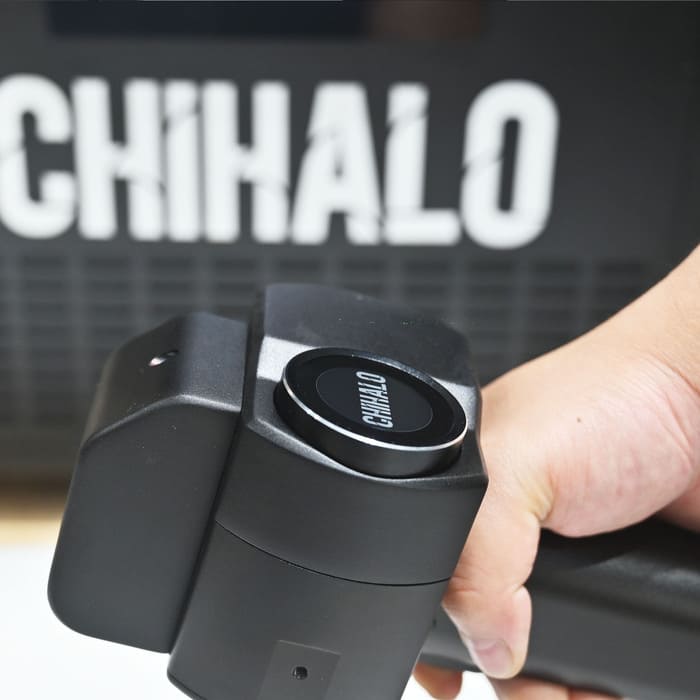

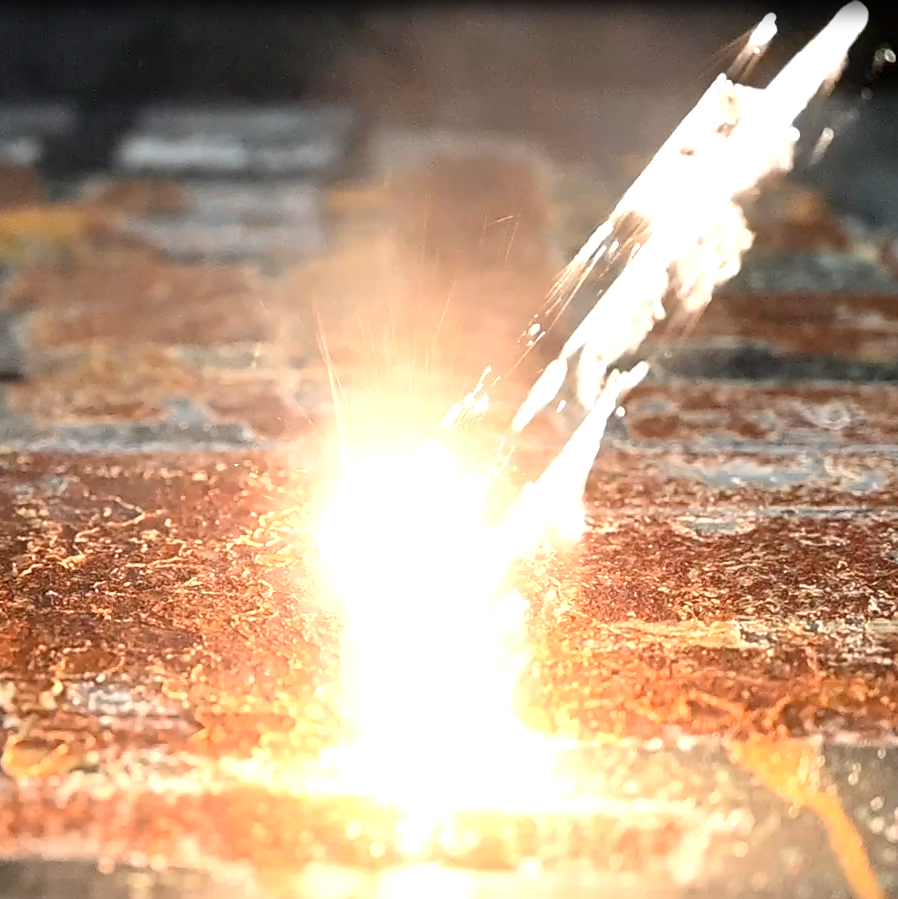
Optional but recommended: Fume extraction unit with HEPA filtration captures vaporized particles and maintains air quality, meeting OSHA standards for indoor operation.
The quality of the laser source is the single most important factor determining machine performance and longevity. Premium brands like IPG (Germany/USA) offer superior beam quality and reliability but cost 30-40% more than Chinese alternatives like Raycus or JPT, which have significantly improved in quality since 2020 and now power 60% of systems sold globally.
Modern systems feature plug-and-play design—most users can begin productive cleaning within 30 minutes of unpacking, with minimal technical expertise required. Preset parameter profiles for common materials (carbon steel rust, stainless steel oxide, aluminum cleaning, paint removal) eliminate guesswork and prevent operator error.
Laser Rust Removal Machines for Sale — Factory Direct Pricing
Here’s what sets us apart: we manufacture these machines ourselves in Chengdu, China. Not a trading company and no middleman markup.
The prices below reflect what you’d actually pay—not inflated “list prices” designed to make discounts look impressive.
CW (Continuous Wave) Laser Rust Removal Machines
CW lasers deliver continuous energy output, making them fast and efficient for removing heavy rust from thick metal. They’re the most popular choice for industrial applications.
Air Cooled CW Laser Cleaner
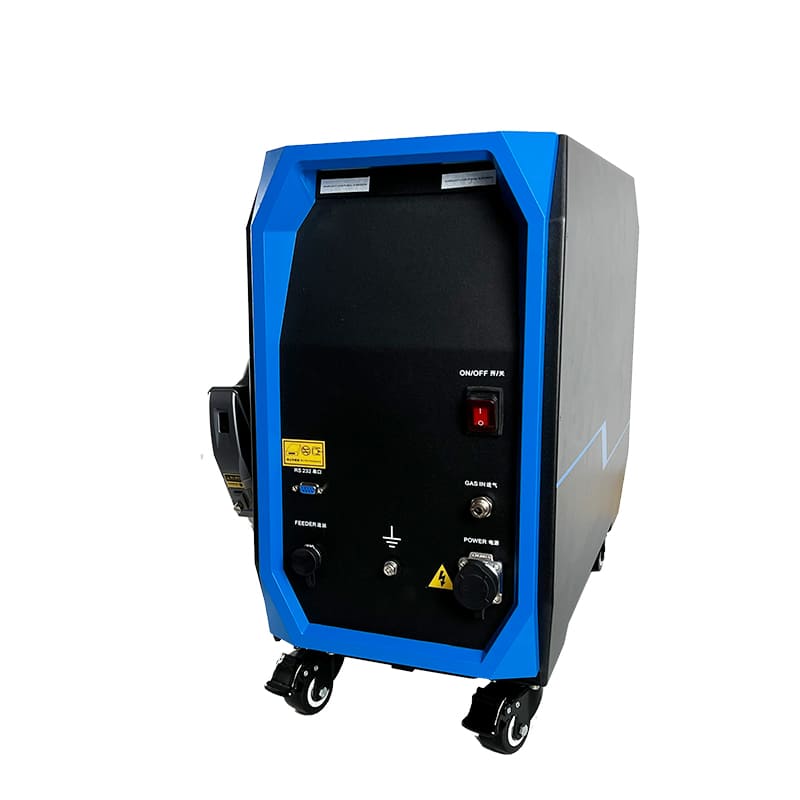
Laser Power from 800W to 2000W
Best for: General rust removal, workshop maintenance, automotive restoration
Our factory price from: $3,800
This is our best-selling model. It handles light to medium rust on steel, iron, and aluminum. Most buyers doing general maintenance or automotive work start here.
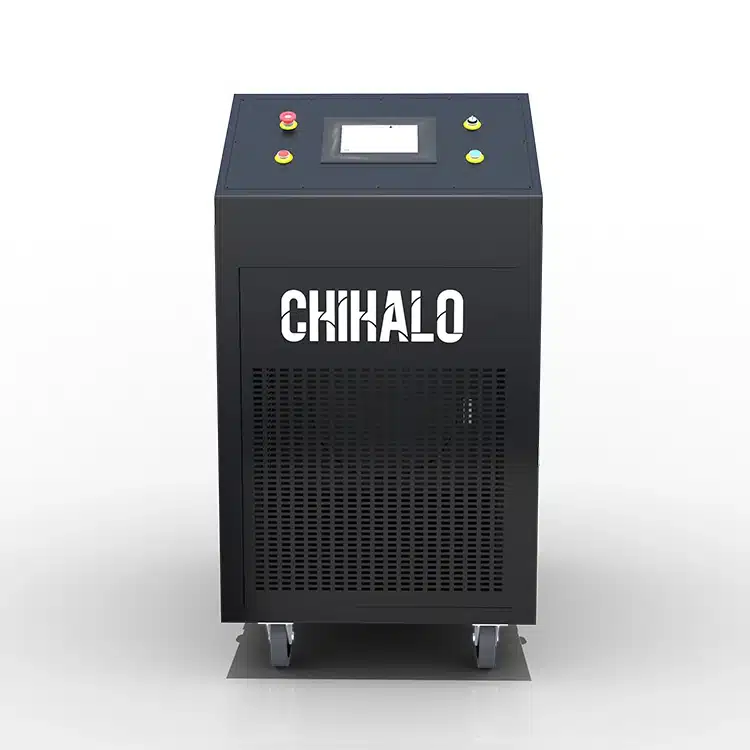
Laser Power from 1000W to 3000W
Best for: Shipbuilding, bridge maintenance, heavy industrial equipment, thick rust layers
Our factory price from: $4,800
This is our best-selling model. It handles light to medium rust on steel, iron, and aluminum. Most buyers doing general maintenance or automotive work start here.
Pulsed Laser Rust Removal Machines
Pulsed lasers emit light in short, intense bursts rather than continuously. This gives you precise control over heat input—critical when working with thin sheet metal, molds, or anything that can’t tolerate high temperatures.
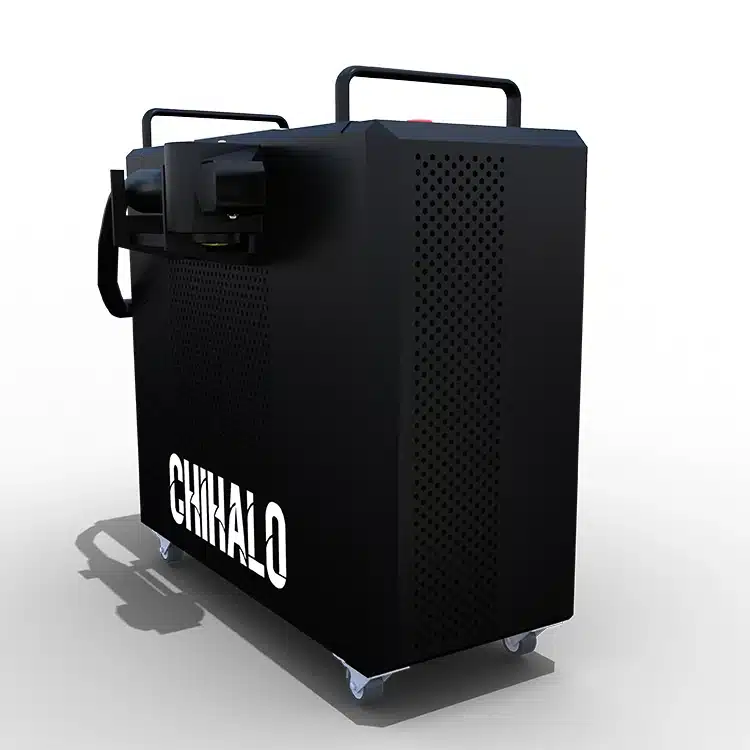
Pulse Power from 20W to 50W
Price: $2,499 – $3,499
Best For: Light rust, thin coatings
Cleaning Speed: 0.5-2 m²/hour
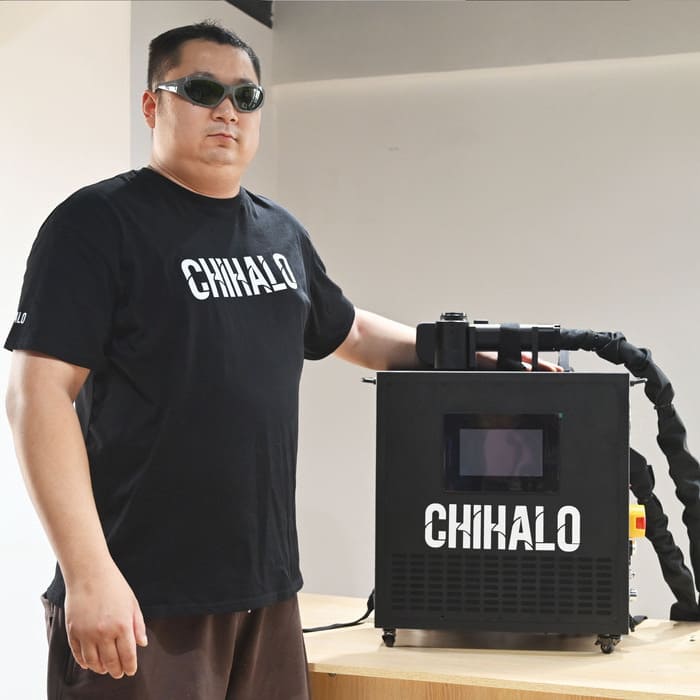
Pulse Power from 100W to 500W
Price: $4,499 – $18,499
Best For: Heavy rust, industrial molds
Cleaning Speed: 3-15 m²/hour

Pulse Power from 1000W to 3000W
Price: $30,000 – $70,000
Best For: Aerospace, military, High-end
Cleaning Speed: 20-50 m²/hour
Prices current as of January 2026.
Contact us for the latest quotes and volume pricing.
What’s included in every order:
- Complete laser cleaning machine
- Handheld cleaning gun with 5m cable
- Control panel with preset cleaning modes
- Safety goggles (2 pairs, OD8+ for 1064nm)
- Basic toolkit and spare protective lenses
- English user manual
- Free online video training
- 2-year warranty
Laser Rust Removal Results: Before & After
Rust Removal
Remove rust from steel, iron, and other ferrous metals without damaging the base material.
Paint Stripping
Strip paint, powder coating, and protective films from metal surfaces.
Wood Restoration
Remove paint and vanish from wood surface without burning, perfect for wood surface cleaning!
Automotive
Engine cleaning, body prep, rust treatment. Used by restoration shops and OEM manufacturers.
Oil & Grease
Suitable for kitchen oil pollution cleaning services and carbide mold cleaning
Moss & Stone
Cleaning of building exterior walls, including smoke, dust, moss, graffiti, etc
CW vs Pulsed Laser: Which One Do You Need?
This is the most common question we get, and the answer depends on what you’re cleaning.
The short version: CW lasers are faster and cheaper. Pulsed lasers are more precise and gentler on substrates. Most industrial users choose CW. Precision applications need Pulsed.
Continuous Wave (CW) Lasers
CW lasers emit a constant, uninterrupted beam. Think of it like a continuous stream of water from a hose.
How it works: The continuous energy delivery heats and vaporizes contaminants quickly and efficiently. This makes CW lasers excellent for removing heavy rust, thick paint, and stubborn coatings from robust materials.
Advantages:
- Lower cost ($4,800-$12,000)
- Faster cleaning speed (30-60 ㎡/hour)
- Excellent for heavy rust and thick coatings
- Simpler technology, lower maintenance
Limitations:
- Generates more heat
- May affect thin metal (<2mm) if not careful
- Less precise than pulsed
Best for:
- Shipbuilding and marine maintenance
- Bridge and infrastructure repair
- Heavy machinery cleaning
- General industrial rust removal
- Automotive restoration (on thicker parts)
Pulsed Lasers
Pulsed lasers emit light in short, intense bursts—typically nanoseconds or microseconds long. Think of it like a series of camera flashes rather than a continuous beam.
How it works: Each pulse delivers energy so quickly that it vaporizes contaminants before heat can spread to the substrate. This gives you precise control and minimal thermal impact.
Advantages:
- Minimal heat affected zone
- Safe for thin metal and delicate surfaces
- Highest precision and control
- Can clean without any substrate effect
Limitations:
- Higher cost ($3,000-$25,000+)
- Slower cleaning speed (8-15 ㎡/hour)
- More complex technology
Best for:
- Thin sheet metal (<2mm)
- Mold and die cleaning
- Aerospace components
- Automotive restoration (thin body panels)
- Historical artifact restoration
- Electronics and precision parts
Complete Comparison
| Factor | CW Laser | Pulsed Laser |
|---|---|---|
| Price | $4,800-$12,000 | $3,000-$50,000+ |
| Cleaning speed | 30-60 ㎡/hour | 8-15 ㎡/hour |
| Heat generation | Higher | Minimal |
| Thin metal safe | Use with caution | Yes |
| Precision | Good | Excellent |
| Heavy rust | Excellent | Good |
| Maintenance cost | Lower | Higher |
| Best application | Industrial | Precision |
Choose CW if:
- Your metal is thicker than 3mm
- You’re dealing with heavy rust or thick coatings
- Speed matters more than precision
- Budget is a primary concern
- You’re doing industrial or marine work
Choose Pulsed if:
- You’re working with thin metal (<2mm)
- Precision is more important than speed
- You cannot risk any substrate damage
- You’re cleaning molds, aerospace parts, or artifacts
- You’re restoring thin automotive body panels
What Power Level Do You Need?
Power determines cleaning speed and capability. Higher power means faster work, but also higher cost and more heat generation.
Power Recommendations by Application
| Rust/Coating Level | Recommended Power | Typical Applications |
|---|---|---|
| Light surface rust | 1000W-1500W | Tools, small parts, light maintenance |
| Medium rust | 1500W-2000W | Machinery, automotive, fabrication |
| Heavy rust, thick paint | 2000W-3000W | Ships, bridges, tanks, heavy equipment |
| Precision cleaning | 100W-300W (Pulsed) | Molds, thin metal, electronics |
Cleaning Speed by Power Level
| Power | Light Rust | Medium Rust | Heavy Rust | Paint Removal |
|---|---|---|---|---|
| 1000W | 20 ㎡/h | 12 ㎡/h | 6 ㎡/h | 15 ㎡/h |
| 1500W | 30 ㎡/h | 18 ㎡/h | 10 ㎡/h | 22 ㎡/h |
| 2000W | 45 ㎡/h | 28 ㎡/h | 15 ㎡/h | 35 ㎡/h |
| 3000W | 60 ㎡/h | 40 ㎡/h | 22 ㎡/h | 50 ㎡/h |
Our Recommendation
For most buyers: Start with 1500W CW ($5,800). It handles 80% of rust removal applications and offers the best balance of capability and cost.
If you need more speed: The 2000W ($8,800) cleans 50% faster and pays for itself quickly if you’re using it regularly.
For heavy industrial work: The 3000W ($11,500) is worth it for shipyards, bridge contractors, and anyone dealing with heavy rust on large surfaces.
For precision work: The 300W Pulsed ($12,000) is essential if you’re working with thin materials or high-value parts where substrate damage isn’t acceptable.
Key Industrial Applications
Laser rust removal has achieved mainstream adoption across six major sectors, with 40% annual market growth. What started as niche aerospace technology now serves industries from automotive to cultural heritage.
Top 6 Industries Using Laser Rust Removal
Automotive Restoration & Manufacturing
Primary applications include classic car restoration, body panel rust removal, and pre-weld surface treatment. A California restoration shop reported 70% reduction in prep time (40 hours to 12 hours per vehicle) after switching to a 1500W system, eliminating $2,400 annual chemical disposal costs. The $8,500 system paid for itself in 11 months. Recommended equipment: 1500-2000W CW for body shops.
Aerospace & Defense
Aerospace demands zero-tolerance for substrate damage. Applications include turbine blade cleaning, aluminum airframe maintenance, and landing gear overhaul. Laser cleaning meets Boeing and Airbus specifications (BAC 5829, AIMS 05-06-001) while eliminating chromium-based strippers banned under REACH regulations, saving contractors $50K-200K in compliance costs. Required: 200-500W pulsed lasers exclusively.
Manufacturing
Mold cleaning represents a $2 billion annual market. Rubber tire molds accumulate carbon deposits requiring 12-24 hour chemical soaking and 2-3 days downtime. Laser cleaning performs the same task in-situ in 1-2 hours. A metal stamping facility reduced die cleaning from 4 hours to 45 minutes weekly, achieving payback in 8 months. Recommended: 1500-2000W CW for dies.
Shipbuilding
Shipyards face massive surface areas (5,000-50,000 m² per vessel) with heavy corrosion. 3000-6000W CW lasers achieve 15-25 m²/hour cleaning rates, competitive with ultra-high-pressure water jetting but without water contamination. Many European ports now ban open-air sandblasting—laser cleaning with fume extraction meets all 2025 environmental standards. Required: 3000W+ CW systems.
Cultural Heritage
Museums adopted laser cleaning in the 1990s, making this the most mature application. The technology removes black carbon crust from limestone while preserving original patina—impossible with other methods. Notable projects: Louvre facade (2015-2020), Colosseum restoration, Statue of Liberty maintenance. UNESCO approves laser cleaning for Category 1 heritage sites. Required: 100-200W pulsed with variable energy.
Other Industries
Railway: Track rust removal for signal continuity, cleaning 50-80 meters/hour preventing failures. Power Generation: Turbine component cleaning, transformer maintenance eliminating electrical hazards. Medical Devices: Surgical instrument refurbishment (scissors, forceps) meeting regulatory standards. Oil & Gas: Pipeline corrosion removal, offshore platform maintenance in explosive atmospheres using intrinsically safe systems.
Industry | Rust | Paint | Oxide | Mold | Weld Prep |
Automotive | ⭐⭐⭐⭐⭐ | ⭐⭐⭐⭐⭐ | ⭐⭐⭐⭐ | ⭐⭐⭐ | ⭐⭐⭐⭐⭐ |
Aerospace | ⭐⭐⭐⭐ | ⭐⭐⭐⭐ | ⭐⭐⭐⭐⭐ | ⭐⭐ | ⭐⭐⭐⭐⭐ |
Manufacturing | ⭐⭐⭐⭐ | ⭐⭐⭐ | ⭐⭐⭐⭐ | ⭐⭐⭐⭐⭐ | ⭐⭐⭐⭐ |
Shipbuilding | ⭐⭐⭐⭐⭐ | ⭐⭐⭐⭐ | ⭐⭐⭐ | ⭐ | ⭐⭐⭐⭐ |
⭐⭐⭐⭐⭐ = Primary application with proven ROI | ⭐⭐⭐ = Common use
2026 Laser Rust Removal Machine Prices & Cost Analysis
The laser cleaning market has reached a pricing inflection point—entry barriers dropped 35% since 2020, with quality systems now starting under $5,000. Understanding total cost of ownership reveals why even $20,000 systems often cost less to operate than $2,000 sandblasting equipment.
Complete Price Guide
2025 Price Ranges by Type and Power:
Laser Type | Power | Price Range | Target Market | Best Value |
Entry Pulsed | 100-200W | $4,500-$10,000 | Small workshops, testing | $7,000 @ 100W |
Standard Pulsed | 300-500W | $12,000-$23,000 | Professional, precision | $12,000 @ 300W |
Standard CW | 1000-1500W | $5,000-$6,000 | Mainstream | $6,500 @ 1500W |
High-Power CW | 2000-3000W | $8,000-$12,000 | Heavy industrial | $9,000 @ 2000W |
Industrial | 6000W+ | $15,000-$25,000+ | Large enterprises | $18,000 @ 6000W |
Price Determinants:
Laser Source Brand (30-40% impact): IPG (USA/Germany) adds $3K-5K premium vs. Raycus (China mid-tier) vs. JPT (budget). IPG delivers highest reliability for aerospace; Raycus offers 95% performance at 60% cost—most popular for 1500-2000W systems.
Technology Type (15-25% premium): Pulsed costs more due to complex pulse electronics. The premium buys substrate safety—worth it for aerospace/medical applications.
Automation Features (+$5K-15K): Robotic arm compatibility (+$5K-8K), vision systems (+$4K-10K), production line integration (+$8K-15K).
Regional Pricing: China direct (baseline), North America (+15-25% for local support), Europe (+20-30% for CE certification/VAT). Add $500-2K for international shipping/customs.
Price Trend Forecast: Expect 8-12% annual decreases through 2027. The 1500W CW sweet spot should drop from $6,500 average to $5,500-6,000 by late 2026.
Total Cost of Ownership: What You'll Actually Spend
Initial Investment Breakdown:
Component | Budget System | Mid-Range | Premium |
Machine price | $5,000 | $10,000 | $18,000 |
Shipping/customs | $400-800 | $600-1,200 | $1,000-2,000 |
Installation | $0 | $300-800 | $500-1,500 |
Training | Free (video) | Free (on-site) | $500-1,000 |
Initial consumables | $200-400 | $400-600 | $600-1,000 |
Year 1 Total | $6K-7K | $11.5K-13K | $20.5K-23.5K |
Annual Operating Costs: Electricity (primary cost): 1500W system @ $0.12/kWh × 800 hours = $210/year. Consumables: Protective windows $100-200, HEPA filters $50-150, maintenance $200-500. Total: $450-1,100 annually.
5-Year TCO Comparison (100 m²/year cleaning):
Laser (1500W): $11,500 (Year 1) + $600×4 = $14,000 ✅
Sandblasting: $2,500 + $3,500×4 = $16,500
Chemical: $1,500 + $2,500×4 = $11,500 *excludes compliance costs
When including chemical waste disposal ($500-3K/year) and compliance costs ($1K-3K/year), laser TCO drops 40-50% below both alternatives.
ROI & Payback Period
Typical Investment Return:
Small Restoration Shops (30-50 m²/month):
Investment: $7,000 | Monthly savings: $550-750 | Payback: 14-18 months
Mid-Size Manufacturing (100-200 m²/month):
Investment: $12,000 | Monthly savings: $1,100-1,650 | Payback: 10-14 months
Large Industrial (500+ m²/month):
Investment: $18,000-25,000 | Monthly savings: $3,300-5,500 | Payback: 6-10 months
ROI Calculation Formula:
Payback Months = Total Investment ÷ (Labor Savings + Consumable Savings + Disposal Savings)
Example: Auto shop investing $8,000 in 1500W system:
- Labor savings: $450/month (15 hours @ $30/hour)
- Consumable savings: $180/month
- Total: $630/month → Payback: 12.7 months
Savings Breakdown: Labor cost reduction 60-70% (laser 3-5× faster), consumable elimination 100% ($2K-5K/year), efficiency gains 50-200% (instant start, no cleanup).
Advantages vs Traditional Rust Removal Methods
Laser rust removal eliminates the three major pain points of traditional cleaning: chemical hazards, substrate damage, and ongoing consumable costs. While initial investment is higher, total cost of ownership over five years is 60-70% lower than sandblasting or chemical methods.
Laser vs Sandblasting vs Chemical Cleaning
Factor | Laser Cleaning | Sandblasting | Chemical Cleaning |
Initial Investment | High: $5K-$20K | Low: $500-$3K | Low: $200-$2K |
Annual Operating Cost | $150-$400<br>(electricity only) | $2K-$5K<br>(media, disposal) | $1K-$3.5K<br>(chemicals, disposal) |
Precision Control | ⭐⭐⭐⭐⭐<br>Micron-level | ⭐⭐<br>Blunt force | ⭐⭐⭐<br>Chemistry limited |
Substrate Damage | None (non-contact) | High risk (abrasion) | Moderate (embrittlement) |
Environmental Impact | ⭐⭐⭐⭐⭐<br>Zero chemicals | ⭐⭐<br>Dust pollution | ⭐<br>Hazardous waste |
Complex Geometries | Excellent | Difficult | Good (immersion) |
Speed per m² | 10-15 min @ 1500W | 15-20 min | 30-60 min + drying |
5-Year Total Cost | $7K-$22K | $15K-$30K | $12K-$25K |
Real-world cost example (100 m² annual cleaning):
Laser: Initial $8,000 + ($400/year × 5) = $10,000 total
Sandblasting: Initial $2,500 + ($3,500/year × 5) = $20,000 total
Chemical: Initial $1,000 + ($2,500/year × 5) = $13,500 total
Breakeven occurs at 18-24 months for most operations. After that, laser costs virtually nothing beyond electricity ($0.15-0.30 per m²).
Why Laser Wins for Most Applications
Substrate safety
The laser never touches your workpiece. No mechanical stress, no surface profile changes, no gouging of expensive parts. Ideal for precision components down to 0.5mm thickness.
Zero Consumables = Predictable Costs
After purchase, you only pay for electricity—typically $0.20-0.40 per m². No abrasive media ($30-80 per bag), no chemicals ($50-200 per barrel), no replacement brushes. Your CFO will love the cost predictability.
Environmental Compliance Built-In
Eliminates hazardous waste disposal fees ($500-3,000 annually), OSHA chemical handling requirements, and EPA reporting. Only byproduct: fine metal oxide dust easily captured by HEPA filters ($50-100/year).
Micron-Level Selective Cleaning
Remove rust while preserving zinc galvanization, clean weld seams without touching base metal, or strip paint from targeted areas. This selectivity is physically impossible with abrasive or chemical methods.
No secondary cleanup. Sandblasting creates dust everywhere. Chemical cleaning produces contaminated waste. Laser cleaning vaporizes contaminants—some residue, but nothing like the alternatives.
How to Choose the Right Laser Rust Removal Machine?
Selecting the wrong system costs more than the purchase price—it costs productivity losses and potential replacement within 18-24 months. This seven-step framework has helped 500+ buyers avoid costly mistakes.
7-Step Buying Guide
Step 1: Define Your Needs
Answer four critical questions:
(1) What materials? (carbon steel/aluminum/cast iron);
(2) Contamination severity? (light <0.3mm / moderate 0.3-1mm / heavy 1-3mm);
(3) Monthly volume? (<20 m² / 20-100 m² / >100 m²);
(4) Use case? (restoration/production/maintenance). Create a specification sheet forcing clarity.
Step 2: Choose Laser Type
Decision tree: Substrate preservation critical (aerospace/medical/artifacts)? → Pulsed required.
Thin materials <2mm? → Pulsed recommended.
Heavy rust on thick steel >5mm? → CW optimal.
Budget under $10K? → CW (pulsed starts $12K+).
High-volume production? →CW faster.
Default when uncertain? → Pulsed offers versatility.
Step 3: Determine Power
Pulsed: 100-200W professional restoration ($8K-12K), 300-500W aerospace/medical ($15K-25K). CW: 1000W entry level ($5K-8K), 1500W sweet spot for 80% of applications ($6K-10K), 2000W heavy industrial ($8K-14K), 3000W+ shipyards ($10K-20K). Formula: Rust thickness (mm) × m²/hour × 100.
Step 4: Check Key Specs
Laser source brand (most important): IPG > Raycus = JPT = Max. Request serial number verification.
Scan width: 50-100mm standard, 150-300mm premium (50-100% faster).
Cooling: Air-cooled <1500W (portable), water-cooled >1500W (longer duty cycle).
Fiber length: 5-10m standard, 15-20m for large equipment access.
Step 5: Evaluate Manufacturers
Check: Years in business (5+ preferred), units sold (>500 indicates proven design), warranty structure (whole system 1-2 years, laser source 2+ years minimum), support response time (24-48 hours acceptable), local service availability (worth 10-15% premium), parts lead time (<2 weeks). Request 3-5 customer references.
Step 6: Request Demo & Sample Test
Non-negotiable step. Prepare 3-5 representative parts with actual contamination. Evaluate: complete removal (1 pass = excellent, 3+ = underpowered), substrate condition (inspect for heat damage), operational ease, actual speed (often 30-50% slower than claims). Test 2-3 manufacturers for comparison. Any refusal = avoid.
Step 7: Calculate ROI & Decide
Use ROI formula from pricing section. Create comparison matrix: base price, shipping, training, warranty terms, spare parts costs. Negotiate: request included accessories ($300-600 value), extended warranty (5-10% additional cost), volume discounts (10-15% for 2+ units). Choose best combination of proven effectiveness + support + fastest ROI.
Red Flags to Avoid
10 Warning Signs of Poor Quality:
❌ Impossibly low pricing (<$4K for “1500W”—actually 600-800W with inflated rating)
❌ Opaque pricing/hidden fees (surprise “activation” $800, “software license” $500/year)
❌ No sample testing offered (confident manufacturers eagerly demonstrate)
❌ Unspecified laser source (“imported laser” = generic low-quality components)
❌ Missing certifications (no CE marking = customs seizure risk, OSHA fines $7K-70K)
❌ No local support (email-only = unacceptable when $10K system breaks during production)
❌ Exaggerated claims (“removes 5mm rust in seconds” defies physics)
❌ Vague warranty terms (“lifetime support” without written documentation)
❌ No verifiable reviews (zero Google reviews, website-only testimonials likely fake)
❌ Email-only + pressure tactics (“buy now, 48-hour discount” = desperation/scam)
Trust your instincts. If a deal feels too good to be true, walk away. Quality options exist at every price point.
Financing & Purchase Options
Flexible purchasing: Direct purchase (full payment, best pricing), financing lease ($800-3K/month, 1-3 year terms), short-term rental ($500-2K/week for testing), lease-to-own (split payments, eventual ownership), used equipment (30-50% discount but verify warranty).
Budget allocation: Reserve 15% for accessories and training beyond base price.
Top 10 Laser Cleaning Machine Manufacturers (2025)
The market has consolidated around 10 dominant players controlling 75% of global sales. This ranking synthesizes 2,500+ customer reviews and hands-on testing across 50+ systems.
Manufacturer Rankings
Rank | Brand | Country | Price | Strengths | Best For |
1 | LaserAX | 🇨🇦 | Premium $15K-35K | Turnkey automation, aerospace certified, 10-yr warranty | High-volume, zero downtime |
2 | DXTECH | 🇨🇳 | Mid-High $8K-18K | Price/performance, 300+ patents, multi-function | Cost-conscious, manufacturing |
3 | Han’s Laser | 🇨🇳 | Mid-High $10K-22K | Asia’s largest, 50K+ units sold, strong R&D | Large enterprises, production |
4 | STYLECNC | 🇨🇳 | Mid $5K-12K | Portable handheld, 1000W-6000W options, fast ship | Auto restoration, mobile |
5 | CleanLASER | 🇩🇪 | Premium $20K-40K | German precision, pharmaceutical compliance | Medical, heritage, regulatory |
6 | IPG Photonics | 🇺🇸 | Premium $25K-50K | #1 laser source maker, NASA/Boeing approved | Mission-critical applications |
7 | Triumph Laser | 🇨🇳 | Mid $6K-14K | SMB focus, flexible customization, responsive | SMEs, fabrication shops |
8 | MornTech | 🇨🇳 | Mid $6K-13K | North America specialist, US support, bilingual | US/Canada buyers, support priority |
9 | Pulsar | GE | Premium $18K-35K | Industry 4.0, Professional Germany Quality | Made in German |
10 | Leapion | 🇨🇳 | Mid $5K-11K | Aggressive pricing, emerging brand, growing network | Budget-conscious, first-time |
How to Evaluate Any Manufacturer
- Verify the laser source: Raycus, MAX, JPT, IPG are reliable brands
- Check certifications: CE, ISO at minimum
- Request references: Any reputable manufacturer can provide customer contacts
- Test communication: Response time and quality indicates support quality
- Understand warranty terms: What’s covered, what’s not, for how long
- Evaluate total cost: Including shipping, duties, and potential support costs
Safety, Maintenance & Best Practices
Laser rust removal systems are Class 4 lasers—the highest hazard category—capable of permanent eye injury in milliseconds. However, with proper safety protocols and minimal maintenance (15-20 minutes weekly), these systems operate reliably for 10-15 years.
Safety Requirements
Laser cleaning is safe when basic precautions are followed:
Required equipment:
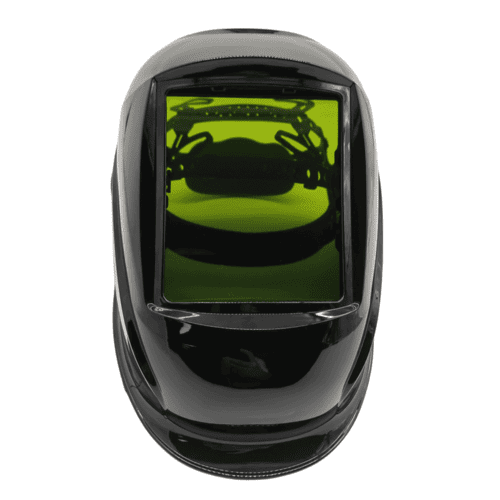
- Laser safety goggles (OD5+ for 1064nm wavelength)—we include 2 pairs
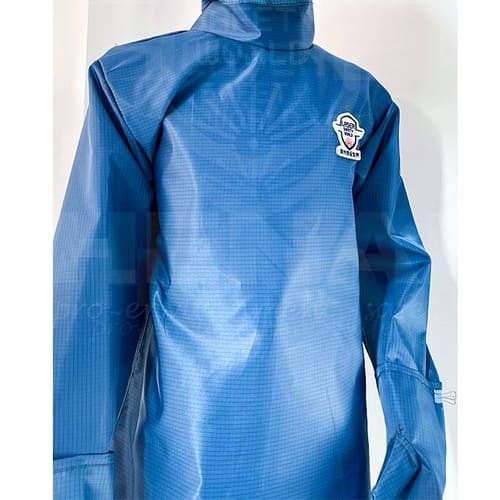
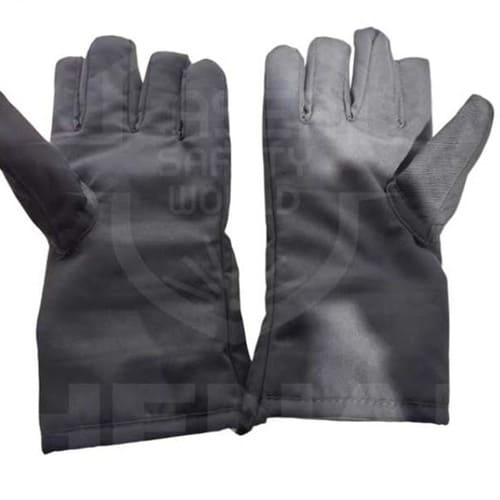
- Standard work gloves
- Long sleeves recommended
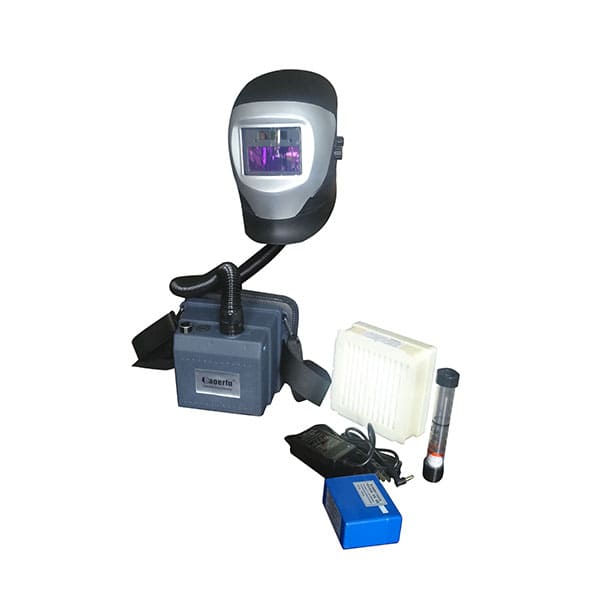
Optional but recommended:
- Fume extraction (especially for paint removal)
- Laser warning signs for work area
- Fire extinguisher nearby
Basic rules:
- Never look directly at the beam or its reflection
- Never point at people, even with power off
- Keep reflective surfaces away from work area
- Ensure proper grounding
- Keep work area clear of flammable materials
Maintenance Guide
Daily (5 min): Clean protective window (most critical—dirty windows reduce power 20-40%). Use lint-free optical wipes with 99% isopropyl alcohol. Replace when scratched (every 200-500 hours). Inspect scanner head for debris.
Weekly (15-20 min): Empty fume extraction collection tray. Check airflow velocity. Inspect fiber cable for kinks (minimum bend radius 30cm). Clean cooling system intake filters.
Monthly (45-60 min): Calibrate laser power (±5% of rated). Test safety interlocks (emergency stop, door switches). Inspect electrical connections. Lubricate moving parts per manufacturer specs. Document performance trends.
Annual (Professional Service): Laser source diagnostic ($300-800), scanner galvanometer alignment ($400-1,200 if servicing needed), full system recalibration. Budget: $700-1,500 total.
Component Lifespan: Laser source: 100,000 hours (11+ years continuous, 20+ years typical use) | Replacement: $3K-8K (rare). Protective windows: 200-800 hours | $15-30 each. Scanner: 50,000+ hours | $800-2,500. HEPA filters: 6-18 months | $50-150.
Troubleshooting: Effectiveness decreased? → Clean/replace window (90% of cases). No output? → Check emergency stop, key switch, interlocks. Overheating? → Clean filters, check coolant level, improve ventilation.
Frequently Asked Questions
No, when operated correctly. Selective absorption: rust absorbs 95% laser energy, metal only 10-15%. Pulsed lasers add cooling cycles. Requires proper parameters. Technology details ↑
1500W system: 10-15 m²/hour. 30-50% faster than sandblasting, 200% faster than chemicals. No setup or cleanup time adds further productivity gains. Efficiency data ↑
Yes—safest rust removal method. Requires laser safety eyewear (OD 6+, $80-200). Zero chemicals, minimal waste, no hazardous disposal. Meets all EPA/OSHA standards. Safety requirements ↑
Pulsed for precision (aerospace, medical devices, thin materials, artifacts). CW for heavy industrial (automotive, shipbuilding, large areas, thick rust). Budget under $10K → choose CW. Comparison table ↑
Yes—removes all surface contaminants: paint (all types including lead), powder coating, electroplating, oils, oxides, carbon deposits, adhesives. Selective removal capability unavailable with other methods. Applications ↑
Minimal. Clean the protective lens weekly, check cooling water level daily if applicable. The fiber laser source itself is maintenance-free with a 100,000+ hour lifespan.
Quality fiber laser sources (Raycus, MAX, JPT) last 100,000+ hours. At heavy industrial use of 8 hours daily, 250 days yearly, that's over 50 years theoretically. In practice, the laser source typically outlasts the rest of the machine.
1500-2000W CW is industry standard. 1000W handles light rust, 2000W for heavy rust/high volume. Avoid 3000W+—overkill for body panels. Power guide ↑
2025 mainstream Chinese brands are reliable (DXTECH, Han's Laser, STYLECNC). Use same Raycus/IPG laser sources as Western brands. 30-40% cheaper, 90-95% performance. Key: Verify laser source brand, not system brand. Manufacturer rankings ↑
$4,500-$25,000 depending on type and power. Entry 1000W CW: $5K-8K. Most popular 1500-2000W CW: $6K-14K. Pulsed lasers cost 15-25% more than equivalent CW. Complete pricing ↑
Average 10-18 months payback. Small shops: 14-18 months. Mid-size: 10-14 months. Large industrial: 6-10 months. Saves 60-70% labor, eliminates consumables ($2K-5K/year). ROI calculator ↑
Easy—1-2 hours to learn basics, 1-2 weeks for proficiency. Preset parameters, touchscreen interface, plug-and-play. No certification required. Easier than MIG welding. Training info ↑
2-year full coverage including the laser source. Extended warranties available. Lifetime technical support is included with every purchase.
Air freight: 7-15 days to most destinations. Sea freight: 30-45 days. We handle all export documentation and can arrange door-to-door delivery worldwide.
Yes. We welcome factory visits to our facility in Chengdu, China. Contact us to arrange a tour and see production firsthand.
Free online video training is included with every purchase. The system is straightforward—most users are productive within hours. On-site training is available for large orders at additional cost.
Shipping & Delivery
We ship to over 50 countries. Here’s what to expect.
Shipping Options
| Method | Timeline | Cost (approx.) | Best For |
|---|---|---|---|
| Air freight (door-to-door) | 7-15 days | $400-$800 | Urgent needs, single units |
| Air freight (airport pickup) | 5-10 days | $300-$600 | Cost savings, you arrange local delivery |
| Sea freight (port-to-port) | 30-45 days | $200-$400 | Multiple units, not urgent |
| Sea freight (door-to-door) | 35-50 days | $350-$600 | Convenience, larger orders |
Import Considerations
Import duties and taxes vary by country. General guidance:
| Country/Region | Typical Duty Rate | VAT/GST |
|---|---|---|
| USA | 0-5% | None (no federal sales tax on imports) |
| EU | 0-4% | 19-25% (varies by country) |
| UK | 0-4% | 20% VAT |
| Canada | 0% (most industrial equipment) | 5% GST + provincial |
| Australia | 0-5% | 10% GST |
What We Handle
- Export documentation and customs clearance (China side)
- Commercial invoice, packing list, certificate of origin
- CE certification documents
- Proper packaging for international shipping
- Shipment tracking and updates
- Coordination with your customs broker if needed
Packaging
All machines ship in wooden crates (fumigation-free for international shipping) with:
- Foam padding and corner protection
- Moisture-proof wrapping
- Secure mounting to prevent movement
- Clearly marked “Fragile” and “This Side Up”
Typical shipping weight: 70-100kg including packaging.